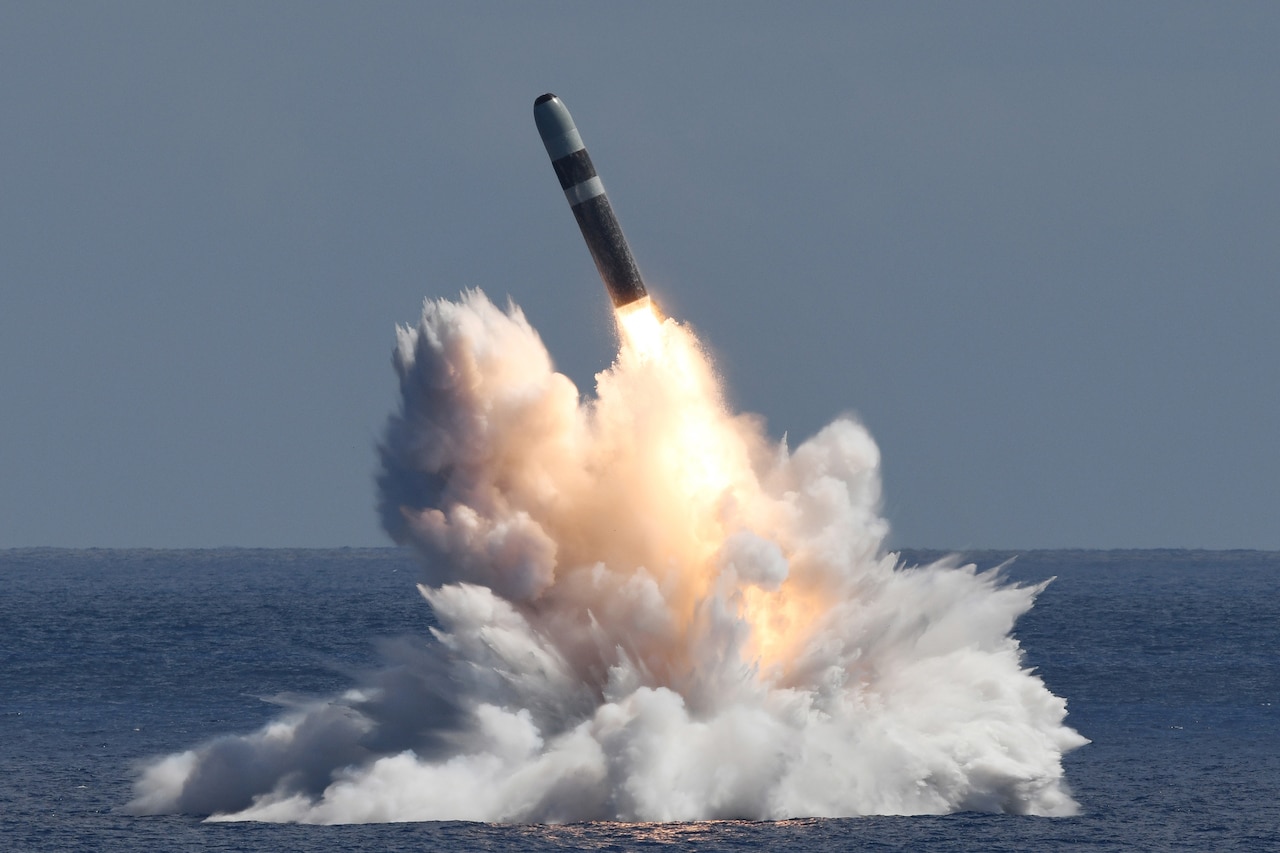
The pristine precision needed to certify the nation's underwater nuclear deterrent is anchored on the talents of civilian scientists at a Navy laboratory in Southern California.
At Naval Surface Warfare Center Corona Division, scientists can measure parts down to millionths of an inch — the level of exactitude required to keep the Navy's Trident nuclear missiles ready.
The Trident II D5 Life Extension ballistic missile is launched underwater from submarines, providing a critical deterrent and survivable response to aggression. The Navy's Portfolio Acquisition Executive Strategic Systems Programs provides the highly accurate and reliable weapon system to the warfighter.
NSWC Corona's Measurement Science and Technology Laboratory plays a critical role in the Trident II D5LE missile by controlling and certifying the ultra-precision tools required for its assembly, known as special interface gages.
"Every single component from every manufacturer is built correctly thanks to these gages," said Michael Pierce, NSWC Corona's Weapons Interface Assessment branch manager. "The work that we do here guarantees that those weapons will work as they're intended every single time."
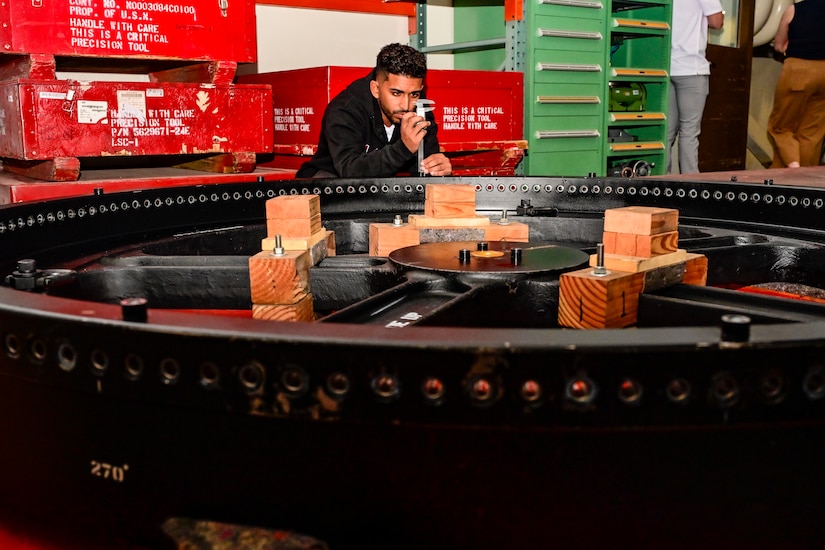
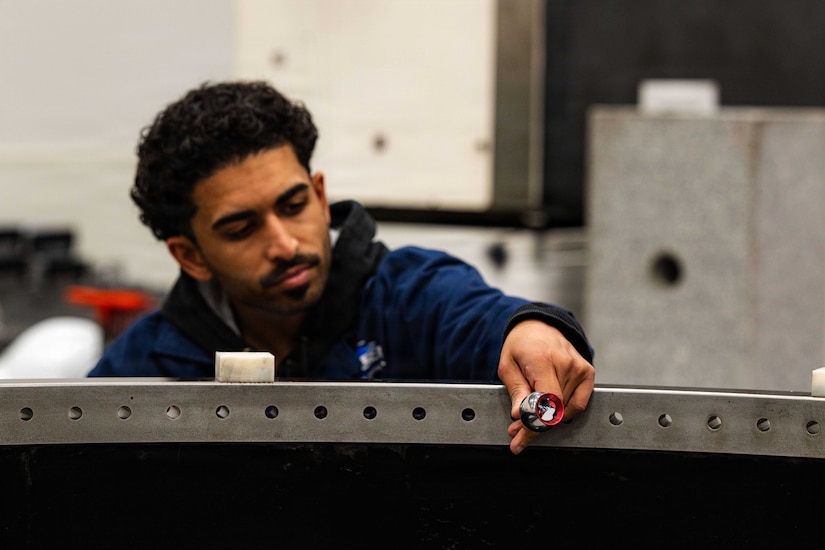
Special interface gages verify the form, fit and function of missile parts down to tolerances in the millionths of an inch. These highly precise gages ensure missile components are manufactured to the exact shape and size needed, so they fit and work as designed when installed on a submarine.
NSWC Corona controls and ships gages to the defense industrial base partners responsible for manufacturing and assembling the Trident missile. The mandatory use of these gages ensures that the missiles manufactured by industry meet the Navy's requirements.
"We have engineers that design these highly specialized tools," Pierce said. "They are certified against the nation's highest measurement standards to guarantee their precision."
In addition to supporting the Trident missile, NSWC Corona's Measurement Science and Technology Laboratory helps sustain critical weapons systems throughout the Navy and Marine Corps. From small pistols to hypersonic missiles, the warfare center's expertise in calibration and specialized gages ensures the accuracy of measurements throughout the fleet. Its inventory ranges from precision hand-held tools, like calipers, to computerized machinery, like coordinate measuring machines.
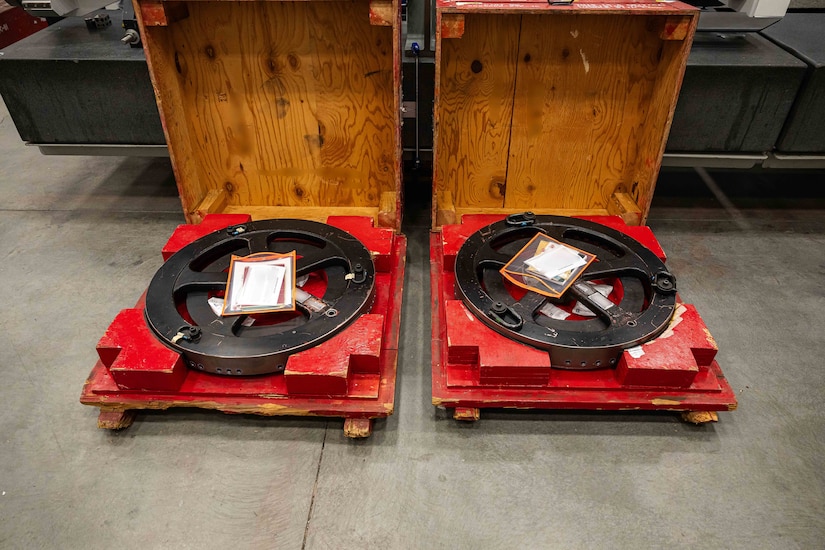
"Nearly every weapon system deployed by sailors and Marines relies on Navy special interface gages to ensure peak operational readiness," Pierce said.
With warfighter safety fueling their mission, the scientists' microscopic measurements result in a global impact. Whether supporting the Trident missile or other systems throughout the fleet, NSWC Corona's work equips sailors with the confidence to trust their systems — empowering them to deliver peace through strength when the nation depends on them most.






 Posts
Posts

