The Army's 3rd Infantry Division is revolutionizing how ground forces employ unmanned aircraft systems through specialized UAS operators assigned to the 6th Squadron, 8th Cavalry Regiment, 2nd Armored Brigade Combat Team, 3rd Infantry Division, which officials say is critical to winning on the modern battlefield.
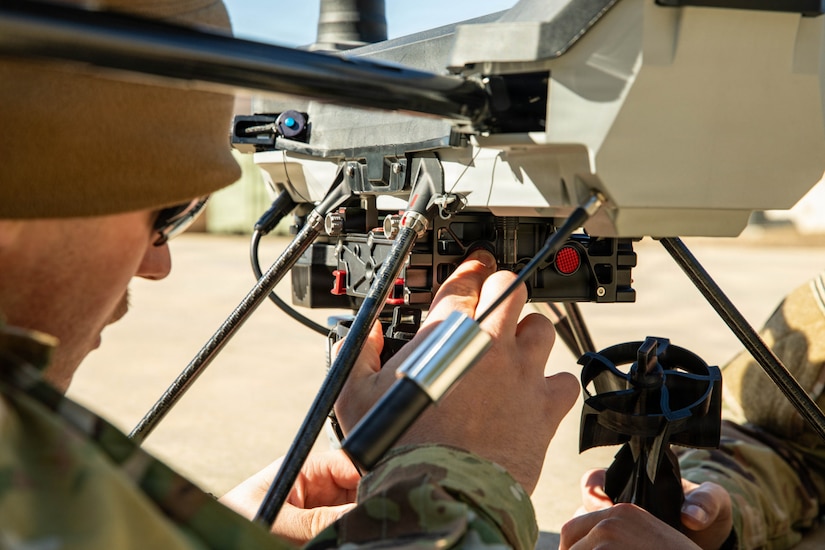
Combat team soldiers have fundamentally changed how drones are used at the brigade level by spreading the technology across the entire force and establishing a hub for testing innovative capabilities, said Army Capt. William Langley, brigade collection manager.
"UAS is important on the modern battlefield today because it is a very fast-paced battlefield," Langley said. "The faster you can receive information and sense the enemy, the faster you can react, and whoever reacts first wins."
The unit combines electronic warfare, UAS and launch effects platoons — a reorganization that provides tactical advantages on the battlefield. Soldiers are experimenting with various payloads on drones, including electronic warfare sensors and advanced capabilities for operational missions.
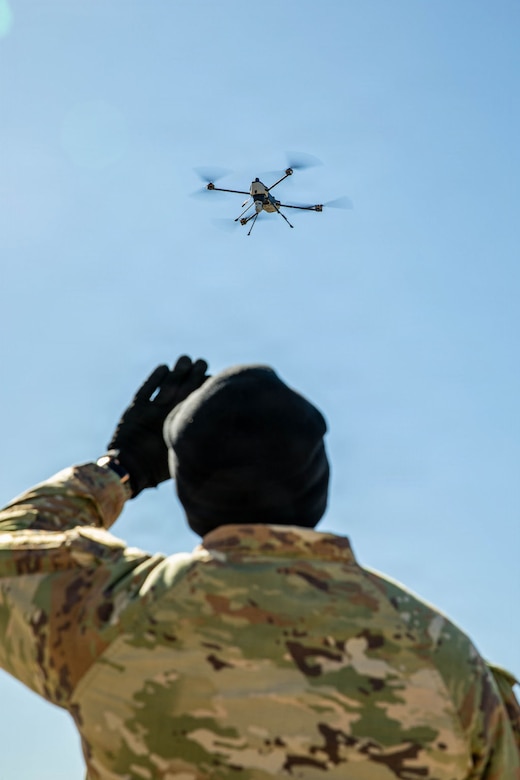
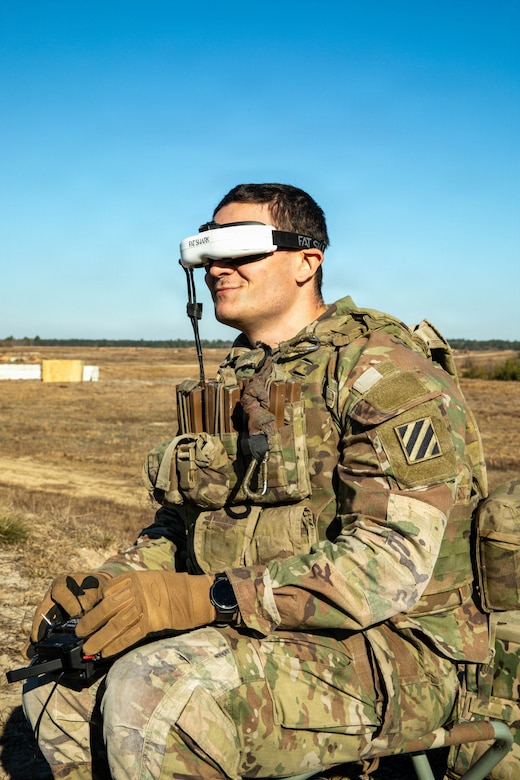
"The enemy wants to find us first, so it's a competition between the enemy and us to utilize our systems to be able to sense, track and maintain tactical advantage," McKeown said.
The innovation comes as the 3rd ID participates in the Army's Transforming in Contact 2.0 initiative, which accelerates how combat formations test and adopt new technologies. The division has been designated as an initiative unit, positioning it at the forefront of procurement and experimentation with different platforms.
"Innovation is necessary for the 3rd ID to be successful because, as we have seen in recent conflicts in Ukraine, Israel and other places around the world, the way we fight battles is changing at a rapid pace, and we must continue to modernize to maintain our readiness for future operations," Langley said.
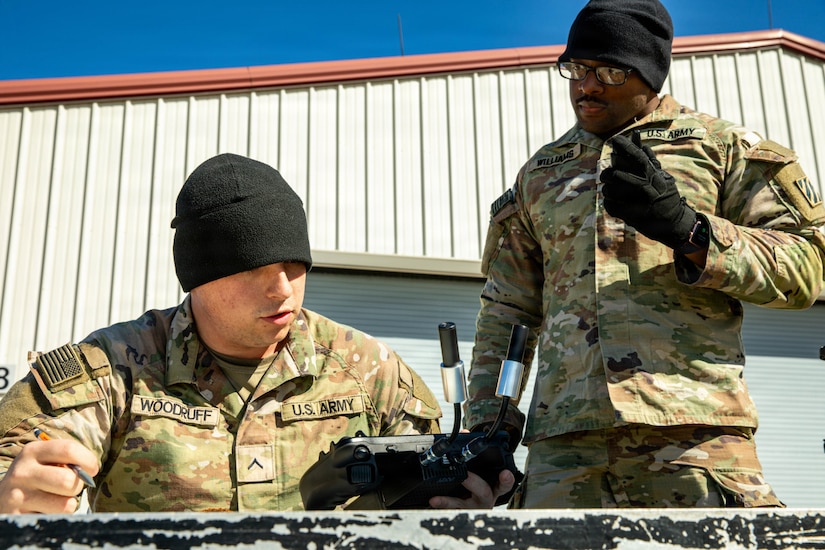
A recent training exercise at Fort Stewart, Georgia, during Spartan Focus 26, featured 6th Squadron soldiers conducting UAS training with C100 medium-range reconnaissance systems configured with 3D-printed training rounds. The exercise incorporated lessons learned from Ukraine, where low-cost quadcopter drones have been widely used in recent conflicts.
The division's approach has significantly improved the decision-making cycle, allowing forces to gather and process intelligence much faster than previous methods, McKeown said, emphasizing the importance of soldiers maintaining situational awareness.
"Whoever sees the enemy first can react first, and can respond more effectively, which leads to operational success," he said.
Soldiers continue to experiment with electronic warfare payloads on medium-range reconnaissance systems and test various configurations on first-person-view drones to determine system limitations and capabilities. The ongoing innovation includes stressing equipment through rigorous training to understand what works best for operational units.
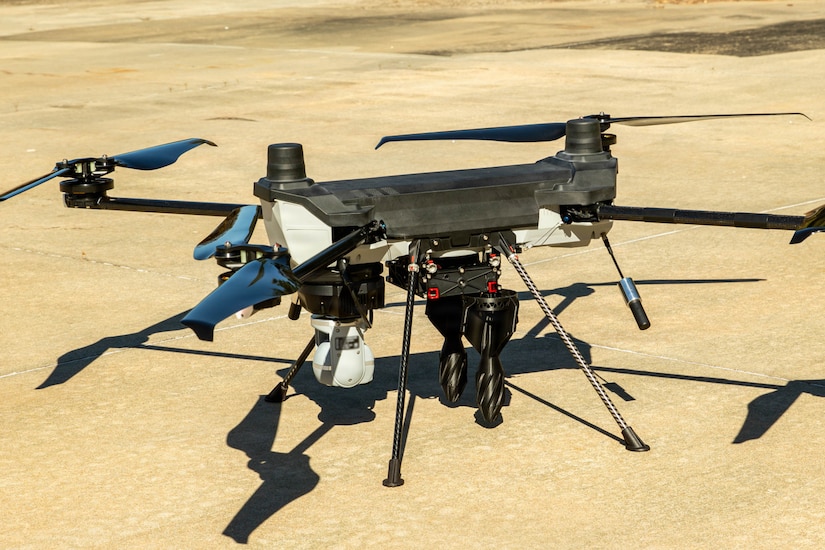
The division's 3rd Combat Aviation Brigade has also integrated unmanned systems manufacturing capabilities, training soldiers on expeditionary manufacturing cells that enable rapid 3D printing of drone components in the field. Soldiers printed more than 90 unique components in hours rather than waiting weeks for ordered parts.
Langley said being a part of the 3rd ID during this transformative period presents unique opportunities.
"This is an exciting time to be part of this unit, and it's a great time to test our new capabilities and to really release the creativity of soldiers at every level," he said.


 Posts
Posts


No comments:
Post a Comment