The U.S. Army Corps of Engineers Pittsburgh District is currently rehabilitating two cranes used for the past 84 years to position the steel gates that manage water output at the Loyalhanna Dam in Saltsburg, Pennsylvania.
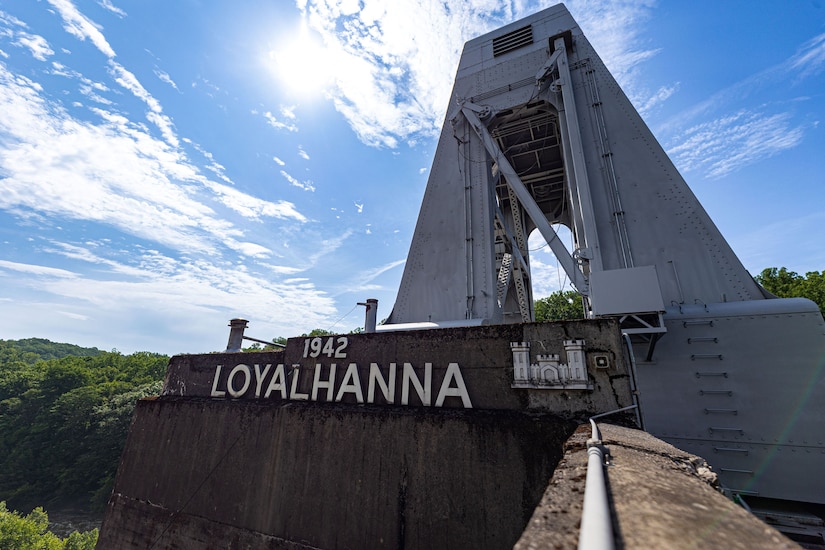
In 1942, as the United States was redirecting its steel, machinery, labor and federal resources toward World War II,
some plans were put on hold, such as extending the Pennsylvania
Turnpike. However, constructing the Loyalhanna Dam remained a priority.
The project was already authorized and underway before the U.S. entered
the war. As Pittsburgh factories downstream worked around the clock
producing steel and other materiel, the dam went into operation as part
of the region's growing flood-mitigation system.
The nation was also investing in another piece of wartime
infrastructure: pigeons. It's not as ridiculous as eight decades of
hindsight makes it sound. During the war, the U.S. Army Signal Corps
furnished approximately 54,000 pigeons to the armed services, relying on
trained birds to carry messages when radios, telephone wires and other
communications were unavailable or unreliable.
Some pigeons became decorated heroes, such as G.I. Joe — the pigeon
credited with carrying a message that prevented an Allied bombing and
saved troops in Italy.
The pigeons are no longer on the payroll, and soldiers assigned to the
U.S. Army Corps of Engineers Pittsburgh District now manage the
Loyalhanna Dam.
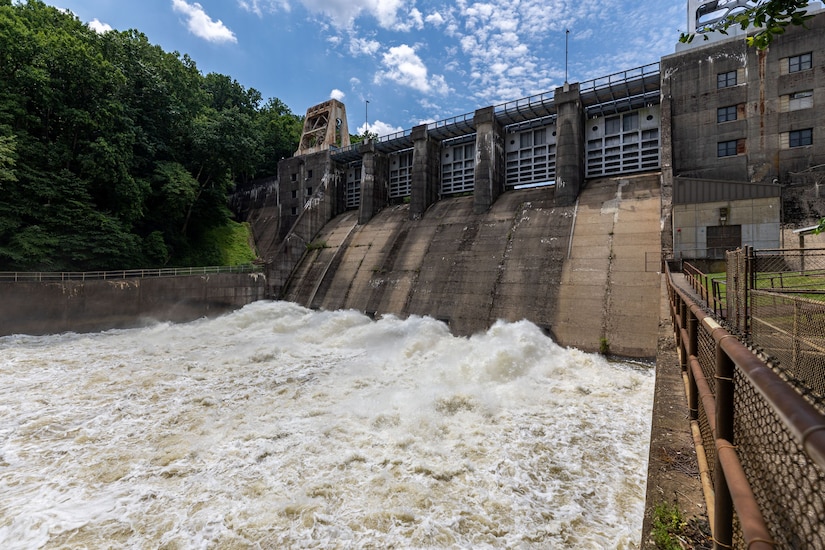
Throughout the past 84 years, the dam has prevented more than $658
million in flood damage, partly because it uses five colossal steel
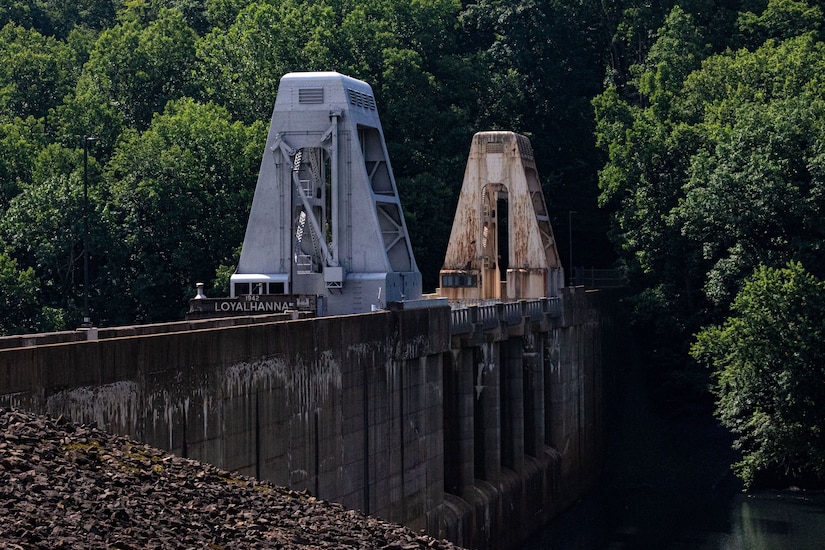
gates to help manage output during high-water events. Two 64-ton
bridge-shaped machines, called gantry cranes, use hoists and wire ropes
to position the gates.
The Army Corps of Engineers Pittsburgh District is currently
rehabilitating the cranes, which have spent more than eight decades
exposed to weather, corrosion and the gradual betrayal of obsolete
parts.
The cranes also attracted pigeons, many of which infiltrated the spaces
through the machinery-room louvers and established a homestead around
moving mechanical equipment.
The contamination complicated access for crews and added an unscheduled
layer of work to a project already contending with lead paint, asbestos
flooring, aging electrical systems and machinery positioned roughly 65
feet above the dam.
The cranes had become flood-control equipment, historic machinery and an
avian HOA under one roof — until the local food chain intervened.
"There was a hawk, and he scared away the pigeons for a while," said
Wayne Carney, a civil engineer assigned to the district. "But now the
hawk is gone, and the pigeons are back."
However, responsible infrastructure strategy is not based on a single
hawk's continued cooperation, so the district modified the
rehabilitation contract to include barriers designed to keep pigeons
away from the equipment.
In April, contractors began removing equipment from the operator cab, electrical components, mechanical systems, wire ropes and other interior hardware.
Each crane has roughly 16,000 square feet of painted surface. After more than three decades since the previous paint restoration, much of the coating had corroded, rusted or begun flaking. The contractor removed the lead-based paint, stripped the steel to bare metal and applied a modern epoxy coating designed to resist corrosion.
The coating work is not cosmetic; paint protects the steel beneath it, and neglected corrosion eventually causes section loss, holes and water infiltration. At that point, maintenance work becomes reconstruction work.
"Catching this maintenance opportunity as early as possible and making sure there's no section loss in the steel is a big deal," Carney said. "We're avoiding other maintenance issues that come from letting the coatings decay."
The project also replaces the cranes' aging wire ropes and brakes. As part of the project, electrical systems will receive an equally thorough overhaul. Crews will install new control panels, power distribution equipment, variable-frequency drives, lighting and operator consoles.
The rebuilt cabs will receive steel flooring, insulated walls, new windows and doors, heating, and ventilation. A projecting window and closed-circuit television system will give operators better visibility during gate movements.
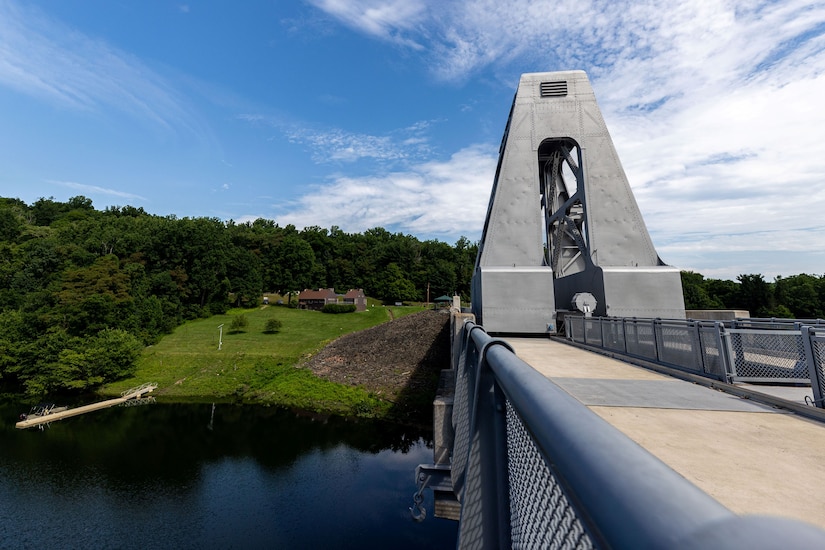
"The controls were getting antiquated," Carney said. "New controls
were definitely needed to bring them up to today's operational
acceptance criteria."
When the rehabilitation is finished, the cranes will retain their
original purpose, but with modern controls, renewed mechanical systems,
protected steel and considerably fewer pigeons.
Crews expect to complete installation, testing and commissioning for the
first crane by the end of 2026, and maintenance on the second crane is
expected to begin next year.


 Posts
Posts

