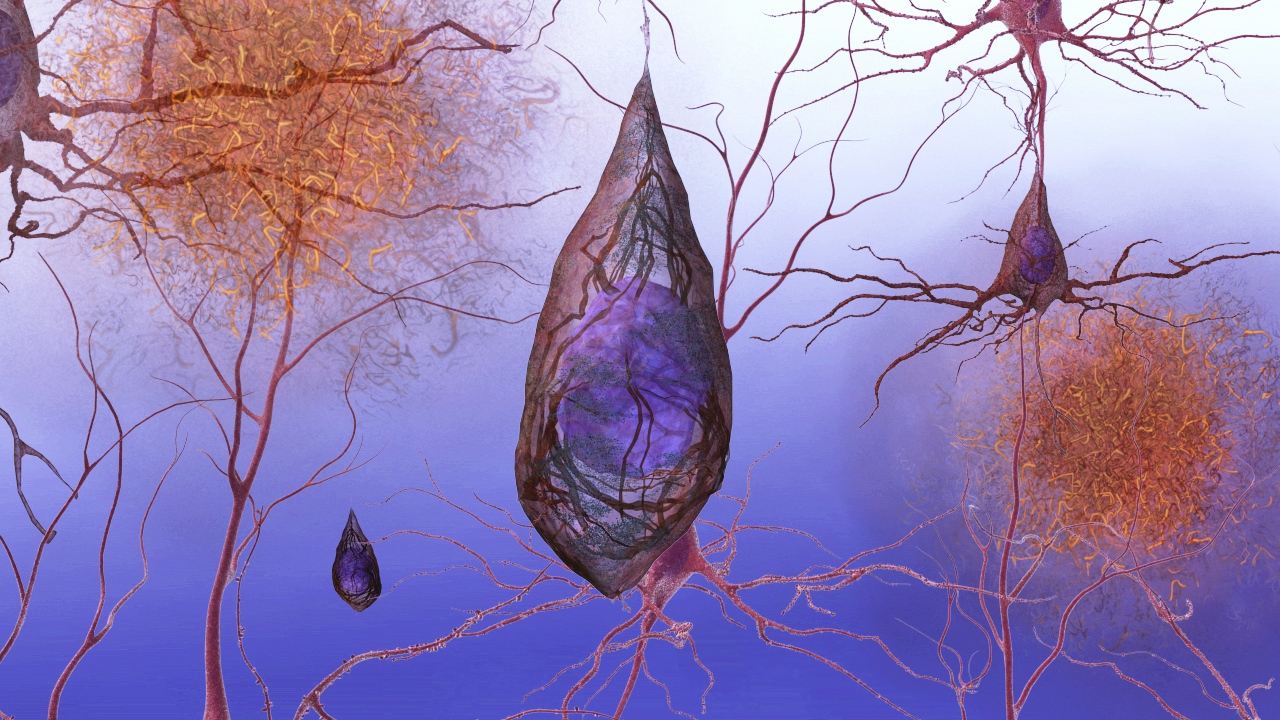
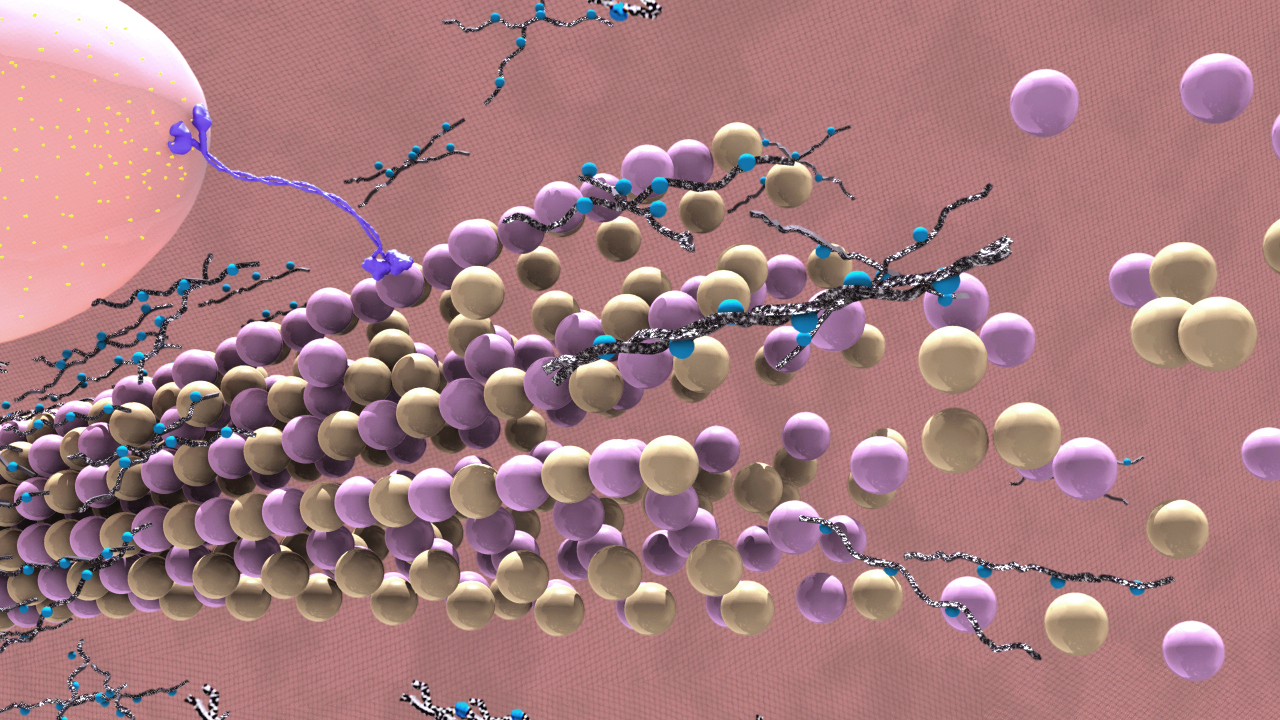
Credit: Stacy Jannis, William Dempsey
and Rebekah Fredenburg; Jannis Productions
Showing posts with label mental health. Show all posts
Monday, September 17, 2012
"Inside the Brain: Unraveling the Mystery of Alzheimer's Disease"
Labels:
alzheimers,
jannis productions,
mental health,
nsf
Thursday, September 13, 2012
Deliver Psychological First Aid with the Help of New Mobile App
The new mobile app “Psychological First
Aid” or “PFA Mobile,” supports providers and other response workers who provide
psychological care to adults, families and children affected by natural or
man-made disasters and emergencies. Developed through a collaborative effort
among the Department of Veterans Affairs National Center for PTSD, National
Child Traumatic Stress Network and National Center for Telehealth and
Technology (T2), the app was designed to meet the challenges faced by first
responders by making information and resources associated with response efforts
readily accessible to them.
Materials in this application are
adapted from the Psychological First Aid Field Operations Guide (2nd Edition),
which has been used for successful disaster response around the world for the
past six years.
Features of the app include:
■Summaries of psychological first aid
fundamentals
■Intervention strategies for specific
concerns and needs of survivors
■Mentor tips for applying psychological
first aid in the field
■A self-assessment tool
■Easy forms for collecting data and
making referrals
“PFA Mobile,” is free and currently only
available for Apple users (iPhone, iPad and iPod touch). It will be available
for Android devices in 2013. To learn more, read this article written by Dr.
Julie Kinn, a clinical and research psychologist with T2 who leads the center’s
mobile health application development.
T2 is a Defense Centers of Excellence
for Psychological Health and Traumatic Brain Injury center and serves as the
primary Department of Defense office for cutting-edge approaches in applying
technology to psychological health. Information about other mobile apps
available for health professionals and the military community is at
t2health.org.
Wednesday, September 12, 2012
Psychological First Aid? There’s An App For That
I’m not alone in saying my heart goes
out to those impacted by Hurricane Isaac. As a clinical psychologist, I have
treated many children and adults who carry trauma symptoms long after danger
has passed from natural or man-made disasters. We health care providers are
keenly aware that disasters happen many times a year, and that those treating
the survivors rarely have a surplus of resources.
To help support providers on the
frontlines of care in emergencies, the VA’s National Center for PTSD and the
DoD’s National Center for Telehealth & Technology (T2) have released PFA
Mobile . This free mobile application assists providers in putting
Psychological First Aid (PFA) into practice in the field. The app includes a
brief refresher on the main components of PFA, assists with mentorship of other
providers, and allows providers to self-assess and develop insight into
readiness to provide PFA.
Some primary features that make the app
so appropriate for disaster situations include:
■Easy
forms for collecting data in difficult circumstances
■Intervention
strategies tailored to unique conditions
■No
requirement for internet or phone connectivity to run
PFA Mobile is currently available for
iOS (Apple) devices and will deploy for Android devices in 2013. If you are a
first responder or frontline care provider, I suggest you take it for a test
drive and become familiar with this excellent resource.
Dr. Julie Kinn is a clinical and
research psychologist. She leads mobile health application development for the
DoD’s National Center for Telehealth & Technology (T2).
Sunday, August 12, 2012
PE COACH Mobile App Supports Prolonged Exposure Therapy
DCOE Strategic Communications
The Departments of Defense and Veterans
Affairs (DoD/VA) have released “PE Coach,” a smartphone mobile application for
use with posttraumatic stress disorder (PTSD) treatment.
PE Coach is a form of “prolonged
exposure” therapy available to all past and present service members — including
the more than 10,000 Wisconsin Soldiers and Airmen who have deployed since 9/11
— as a way to help diagnos and treat symptoms of PTSD.
“As technology grows – our ability to
find new ways to get information out to our service members and their families
needs to grow as well. This new technology is another great tool for our
service members and their families to use while transitioning back into their
normal routines following a mobilization.” said Vicki Cushman Edgren, director
of the Wisconsin National Guard Badger Yellow Ribbon program.
“In addition to our three phases of
reintegration, PE Coach can be a valuable tool for our Soldiers and Airmen to
use when returning from deployment and beyond. It especially speaks to the
younger generation who already utilize phone apps in many other areas of their
lives,” she continued.
Both the DoD and DVA use prolonged
exposure (PE) therapy as an effective treatment for PTSD.
Psychologists at the Defense
Department’s National Center for Telehealth and Technology, known as T2, and VA
National Center for PTSD, developed the mobile app to specifically help
patients with their therapy.
“‘PE Coach’ is a helpful tool that
assists our service members and veterans who are between visits and in
treatment for posttraumatic stress disorder,” said Dr. Jonathon Woodson,
assistant secretary of defense for health affairs. “We have shared this app with
our military health care providers as well, and hope that many individuals who
are receiving PE therapy will find it useful.”
Prolonged exposure therapy helps a
patient process a trauma memory to reduce the distress and avoidance caused by
the trauma. The patient revisits the memory with a therapist and as the memory
is emotionally processed, anxiety decreases. The therapy also helps the patient
confront avoided situations that trigger memories of the trauma.
“We worked with a broad and diverse group
of psychologists in the DoD and VA who are treating PTSD patients with
prolonged exposure therapy,” said Dr. Greg Reger, clinical psychologist with
the T2 Innovative Technology Applications division. “We wanted to help our
patients in the therapy and make it easier for providers to deliver this
treatment. PE Coach does both.”
Many psychologists who provide prolonged
exposure therapy acknowledge it could be more effective if patients could
better adhere to their assignments between sessions.
The patient installs “PE Coach” on their
smartphone and can record the therapy session for playback between sessions.
The app also provides an explanation of exposure therapy, assignments,
explanations of PTSD and its symptoms, and a convenient way to write notes about
typically avoided locations, situations and events for later discussions with
their therapist.
Reger said that writing in a notebook in
public places may make people feel uncomfortable. However, tapping a note on a
smartphone is much easier and a more personal way to capture those
in-the-moment feelings.
“PE Coach” will help users successfully
adhere to PE treatment, which could improve the quality of treatment. Reger
said it was not designed to be used as a self-help tool and should not replace
professional counseling.
The Defense Department and VA released a
similar mobile app last year; “PTSD Coach” is a reference tool for education,
tracking symptoms, self-assessments and connections to support individuals with
PTSD.
“PE Coach” is available for Apple and
Android mobile devices. Find more information about the app at
t2health.org/apps/pe-coach.
The National Center for Telehealth and
Technology, located at Joint Base Lewis-McChord, Wash., serves as the primary
Department of Defense office for cutting-edge approaches in applying technology
to psychological health. More information about T2 is at t2health.org.
T2, a Defense Centers of Excellence for
Psychological Health and Traumatic Brain Injury center, designs, tests and
evaluates available and emerging technologies in support of psychological
health and traumatic brain injury recovery for service members, veterans and
their families. To learn more, read “About T2.”
Monday, July 16, 2012
DCoE Seeks Feedback on Mild TBI Pocket Guide
We want to hear from you! Defense
Centers of Excellence for Psychological Health and Traumatic Brain Injury
(DCoE) encourages health care professionals to share their thoughts on the Mild
Traumatic Brain Injury Pocket Guide and corresponding mobile app. Your feedback
will help us make improvements to the pocket guide and other traumatic brain
injury-related products.
How often do you refer to the pocket
guide? What aspect of it do you find most useful? Based on your experience with
the pocket guide, tell us everything from advantages and disadvantages to
recommendations and suggestions for future traumatic brain injury (TBI)
clinical resources and tools.
The pocket guide, developed by DCoE, is
an all-encompassing, quick reference clinical guidance tool to help primary
care providers assess and treat service members and veterans who have sustained
a concussion. It includes a summary of the clinical practice guidelines and
recommendations from the Defense Department and Department of Veterans Affairs
on the management of mild TBI and provides information on treating common mild
TBI symptoms; coding guidance; clinical recommendations for cognitive
rehabilitation and driving following TBI; patient education materials; and
additional clinical tools and resources related to TBI prevention and care.
You can also access the pocket guide
from your smartphone with the free mobile app developed by National Center for
Telehealth and Technology, a DCoE center. The mobile app was created to help
providers conveniently access the latest evidence-based clinical guidelines for
concussion care and enhance provider-patient interactions.
Hard copies of the pocket guide are
available from Defense and Veterans Brain Injury Center. Call 800-870-9244 or
email for details. To download an electronic version and other TBI clinical
resources, visit the Health Professionals section of the DCoE website.
Take the online survey today — it only
takes a few minutes. Participation is voluntary and responses will remain
anonymous.
Monday, May 21, 2012
Social Media and Suicide Prevention
What would you do if you observed a
group of individuals bullying another person on a social media site? Would your
actions be the same if the person was a friend or a complete stranger?
Your answers to these questions may have
important implications for how these scenarios turn out. Fortunately, there are
resources in social media to help you reduce the risk for suicidal behavior and
to get help.
Suicide is a serious but preventable
public health problem. According to the
World Health Organization , more than one million suicides occur in the world
every year.
Social media, such as chat rooms, blogs,
video sites like YouTube, and social networking sites such as Facebook,
Twitter, and Google+, have become important ways that many people communicate
and share information about a variety of topics, including suicide.
Two colleagues and I recently discussed
the role of social media in suicidal behavior in an article published in the
American Journal of Public Health called
“Social Media and Suicide: A Public Health Perspective.” In the article, we
examined the evidence for how social media can have both negative as well as
preventative influences on suicidal behavior.
There are several ways social media is
used that can negatively influence suicidal behavior, some examples are:
■Pro-suicide
forums offering “how-to” information or encouraging suicide pacts.
■Cyberbullying
and cyber-harassment directed through social networking sites
■The
“media contagion effect” where reports of things like a celebrity suicide
influence suicidal behavior.
It is important to be aware of how your
friends and family may interact with or be exposed to these types of social
media. Your understanding of these risks and your knowledge of where to go for
help may prevent a suicide.
Social media can also be used to
increase awareness and provide information on suicide prevention programs,
crisis help lines, and other educational resources. Check out the Facebook and
Twitter accounts of the Substance Abuse and Mental Health Services Administration
(SAMHSA) or the National Suicide
Prevention Lifeline to find information
and share personal stories about suicide prevention and coping. You might also
want to watch the suicide survivor stories on the National Suicide Prevention
Lifeline’s www.lifeline-gallery.org
website.
There are hundreds of support and
prevention groups on Twitter, as well video-based public service announcements
geared toward suicide prevention on popular social media sites such as YouTube.
Several social networking sites such as Facebook, and Bebo even provide a
“panic button” feature to report cyberbullying.
Facebook also works with the Samaritans
charity to provide a suicide-alert reporting system for Facebook users to
report individuals they believe are expressing suicidal thoughts or intent.
The Department of Defense is also using social media to address the
problem of suicide. For example, the Afterdeployment.org Facebook and Twitter accounts provide
education and prevention information tailored for the military community. Other
suicide prevention sites for the military and veteran community include
suicideoutreach.org , Realwarriors.net , and the Wingman Project .
There are ways that social media can
influence suicide behavior, both positively and negatively. I hope that by
reading this blog you have become more aware of the issue and have learned what
to look out for as well as what options there are for finding support, learning
more, and helping others.
If you or someone you know is in an
emotional distress or suicidal crisis, please seek help immediately. If an
emergency, contact 911.
Some
available resources:
National Suicide Prevention
Lifeline is there to help 24/7, or give
them a call at 1-800-273-TALK (8255) or check out their Facebook page.
Want to talk in 140 characters or less? Check out their Twitter feed.
Suicide.org has an international listing
of hotline numbers that could help you or someone you know.
The Substance Abuse and Mental Health
Services Administration (SAMHSA) has some
great resources available; Take a look at the AfterDeployment.org website.
Dr.
David Luxton is a Research Psychologist and Program Manager at the National
Center for Telehealth and Technology (T2).
Subscribe to:
Posts (Atom)