Many
comparisons are made between the diet and nutritional needs of service
members and those of serious athletes. However, service members face
unique constraints and challenges in their operational environments that
render those needs very different.
For
instance, athletes know the times and specific details of their events,
for which they can prepare. Soldiers, sailors, airmen, guardians and
Marines? Not so much.
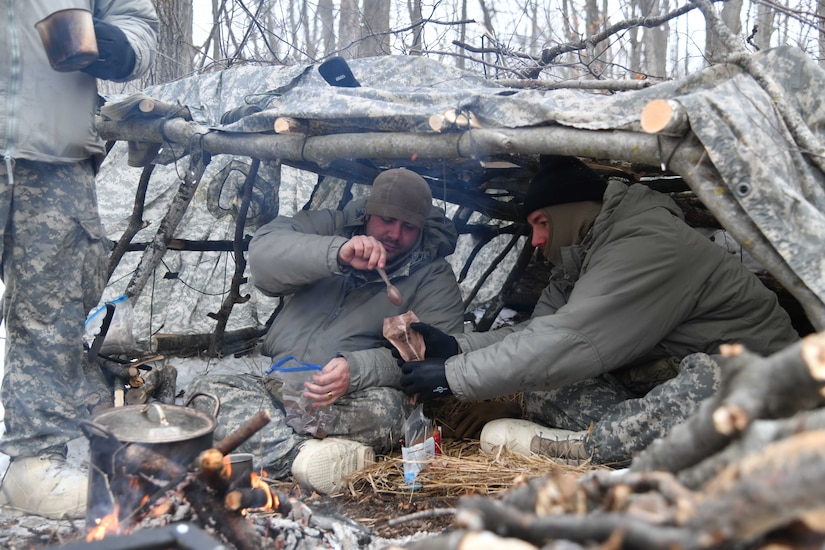
Service
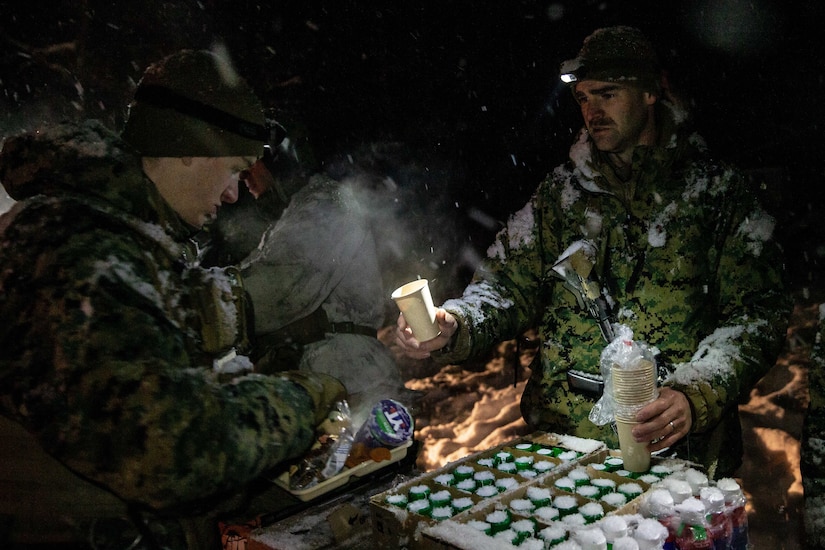
members need to be ready at a moment's notice for anything that comes
their way. They operate in extreme cold, extreme heat and at high
altitudes, and they might be doing so with very little sleep for
prolonged periods of time. All these factors can create unique stressors
that call for varying nutritional requirements.
At
the Army Combat Capabilities Development Command Soldier Center in
Natick, Massachusetts, experts in the War Department Combat Feeding
Division develop rations and packaging to support warfighters and stay
ahead of their constantly shifting nutritional needs. From
garrison-sized meals served at mess halls to single-serving rations
eaten in the field, these experts research and engineer food for the
entire department.
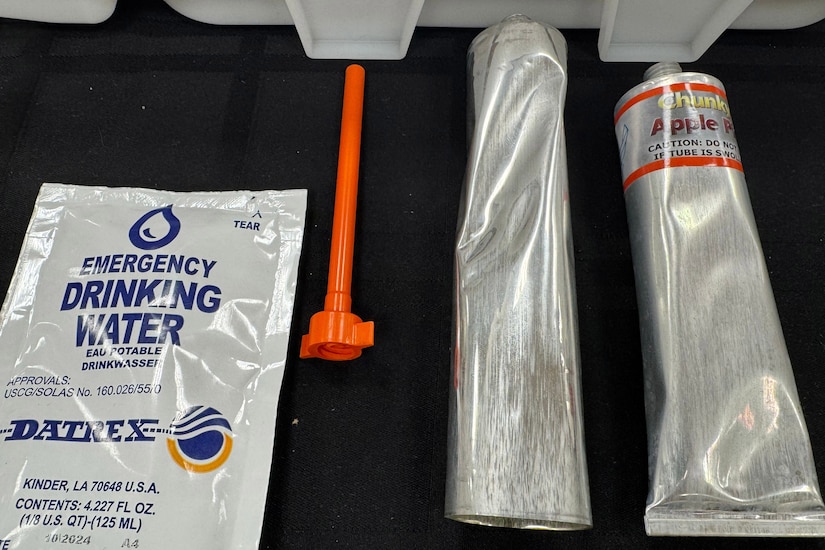
They
also engineer new, energy-efficient ways to field food, from finding
new kitchen equipment for submarines to creating portable gear for
expeditionary units, or even packaging food into tubes for pilots flying
at the edge of space. Other CFD experts are working on ways to protect
food and water from contamination.
The
CFD works closely with the Military Nutrition Division at the nearby
Army Research Institute of Environmental Medicine. Together, both
divisions are focused on optimizing warfighter performance, improving
their recovery and promoting overall health through nutrition.
Every
year, each service reports its operational challenges related to field
feeding to the DOW Combat Feeding Research and Engineering Program,
which turns those challenges into research and engineering projects for
the CFD to address. Those projects require expert knowledge in various
fields, from dietitians and physiologists to biologists and engineers.
The
process usually begins at the MND, which focuses more on the
physiological side of the research. There, experts study various
nutrients and food formulations to see what effects they have on the
warfighter.
Analyzing Ingredients for Warfighter Benefit
Currently,
MND and CFD researchers are studying nutrients such as tart cherry and
essential amino acids, which may improve muscle recovery and endurance.
But before scientists can make a product from those nutrients, they need
to know how the body uses them first.
At
the MND's metabolic kitchen, nutrition experts plan diets for soldier
volunteers by enhancing prototype ration products with nutrients that
are being studied.
"We
can feed [them] in a very controlled setting to ensure that no other
variables impact our findings," explained Army Maj. Alan Dawson, the
division's military deputy chief.
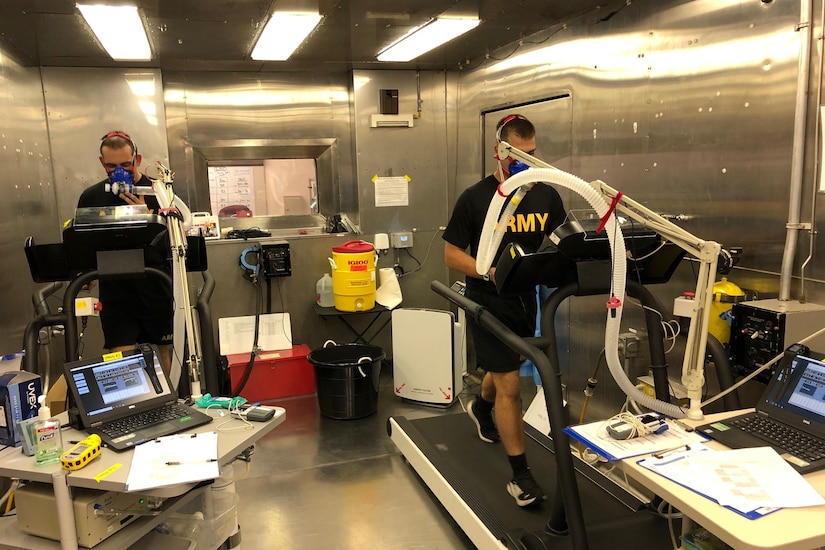
They
also study warfighters in training or out in the field to evaluate
their environmental stressors. "We're seeing how nutrition affects
stress, their ability to exercise, their tolerance to a lack of sleep or
extreme temperatures," explained Army Sgt. Noah Carrier, a medical lab
technician with a molecular biology degree.
Carrier
is one of about 60 soldiers stationed within the detachment. He's only
been there for a few months, but so far, he said it's been a unique
experience.
"The
human race's relationship with food is the oldest thing that we have,
but they're still discovering something new about how we can optimize
performance and keep people sustained in stressful conditions," he said.
"I've already learned stuff that blows my mind that these people are
researching."
The
studies help the MND define warfighter-specific nutrition requirements
and recommendations. The CFD then takes that information to develop
rations for the warfighter to enjoy in the field.
From Studies to Sustenance
Natick's
food scientists look for ways to make warfighter rations energy- and
nutrient-dense to help avoid negative energy balance — when a person
can't eat enough to maintain physical or cognitive performance,
explained MND chief Dr. James McClung. It's an issue associated with
poor performance and an increased risk of injury.
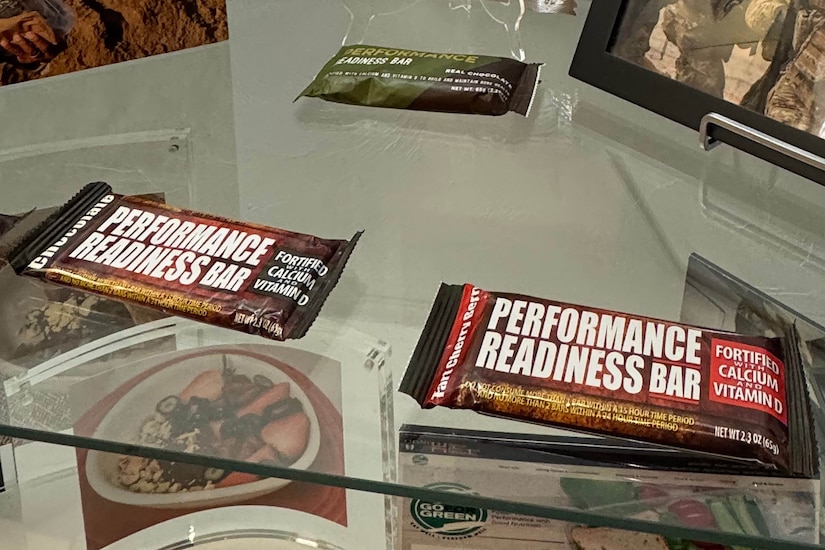
One
ration created to fit this need was the Performance Readiness Bar,
which is currently available to service members undergoing initial entry
training. Researchers discovered that if they packed a ration bar with
supplemental calcium and vitamin D, new recruits could eat one a day in
the evening to optimize bone health and prevent injuries that had been
reported among basic trainees.
"The
body tends to rebuild during sleep … so it's really important to
provide nutrients prior to this time," McClung said. "The Performance
Readiness Bar … delivers protein, energy and other nutrients so they can
be absorbed and utilized overnight."
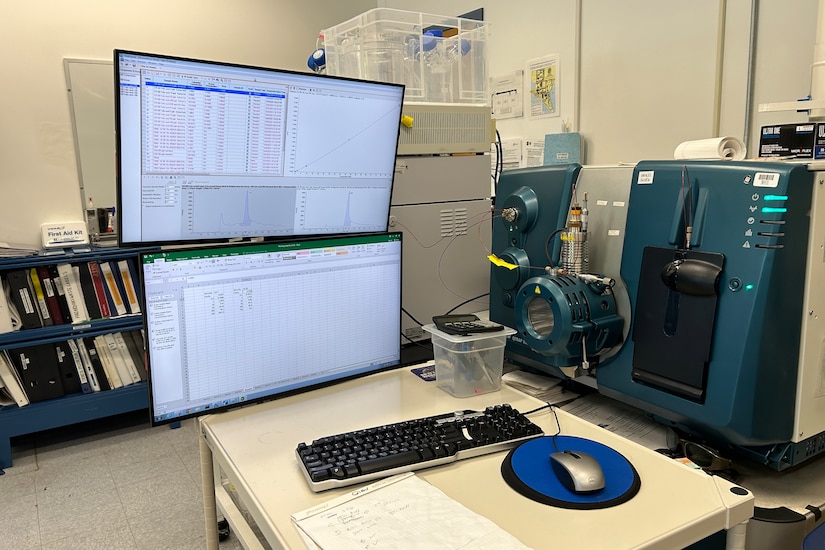
Once
a ration prototype is created, its various components — from proteins,
carbohydrates, vitamins and minerals to moisture content and pH levels —
are quickly analyzed at an in-house lab. That ensures their levels meet
DOW-wide Army Regulation 40-25 requirements, which are different than nutritional needs for civilians and can often depend on environmental factors.
"In
the heat, the demand for electrolytes may be greater. Cold oftentimes
elicits shivering, and shivering requires energy and may cause one to
require differing levels of macronutrients," explained McClung. He said
altitude can also affect levels of nutrients such as carbohydrates and
iron.
Analysts from the CFD also determine how nutrients can degrade over time in storage.
"We
want to make sure … the warfighter gets the full package of what they
need to perform optimally," explained Lauren O'Connor, the branch chief
for the division's Food Engineering and Analysis Team.
It's All About the Taste
Nutrition is important. How food tastes, however, is an even bigger factor.
"It's
not nutrition if they don't eat it. Rations need to taste good to
encourage warfighters to consume them," explained Julie McNiff, branch
chief of the CFD's Functional Food and Nutrition Intervention Branch.
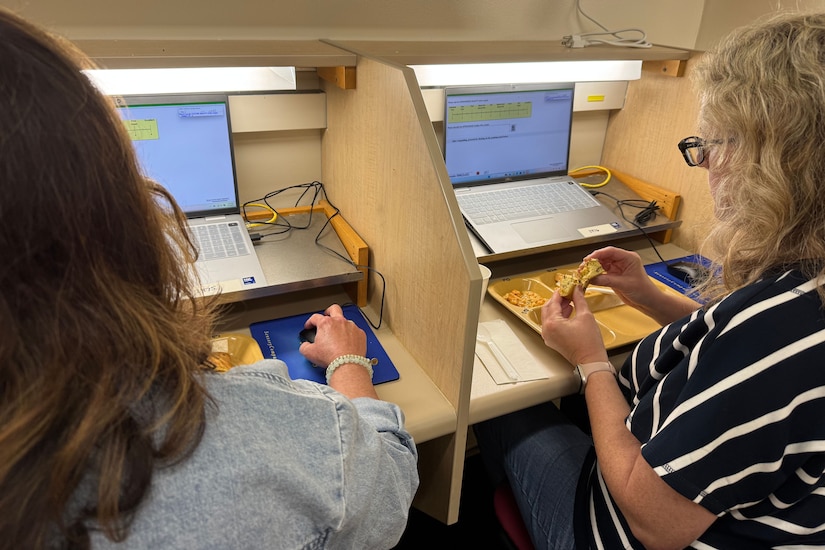
With
that in mind, the CFD houses a sensory lab staffed by trained civilian
panelists who evaluate replenishment rations from industry partners
every few months. They make sure shelf-life requirements are met and
look at specifications such as flavor, odor, appearance and texture.
"They've
got a very extensive lexicon of terms to describe the food, so while
you or I might say sour, they have about 10 different words that mean
sour," said Dr. Erin Gaffney-Stomberg, division chief of the CFD. "It's a
very highly scientific process."
Once
a round of testing is complete, reports are collected to determine if
the items meet requirements. "If this is deemed acceptable, then it
becomes our new product standard," said Jill Bates, a registered
dietitian who runs the sensory evaluation lab.
Bates
said they never know what items they might get from day to day, adding,
"Sometimes it's eggs, or sometimes it's candy and hot sauce."
While
about 10 to 12 trained panelists will do a round of testing, soldiers
stationed at the Natick base will also get to do some evaluations,
strictly to see if they like the product.
"After
we've done all our technical testing ... we use the soldiers and the
warfighters just for acceptance," Bates said. "Their opinion … is really
the ultimate goal of why we're here."
"Every
single product that is considered for insertion into an operational
ration platform needs to be warfighter tested and approved,"
Gaffney-Stomberg said.
The
CFD also partners closely with the Defense Logistics Agency Troop
Support to ensure rations meet DLA's standards before industry partners
can begin to mass produce them.
The Importance of Shelf Stability
Aside
from just packing rations with the right amounts of calories, protein
and carbohydrates, those rations also have to withstand various
environmental conditions.
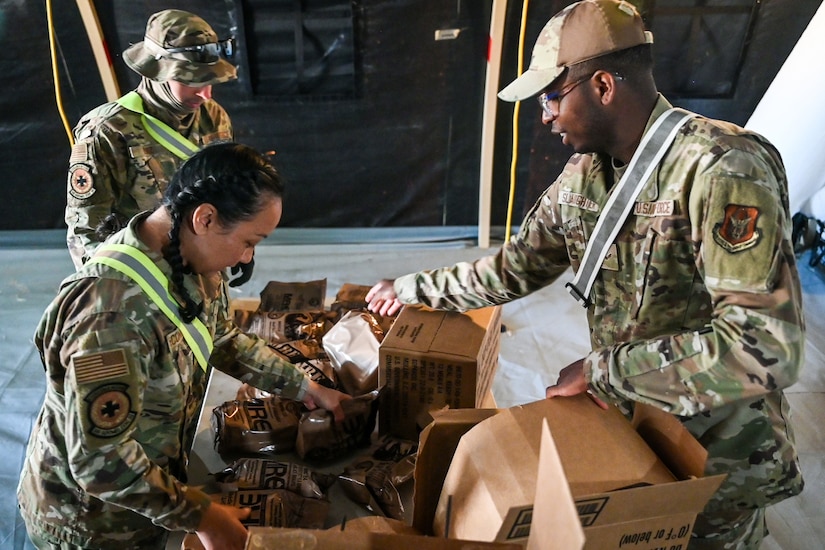
For
example, meals ready to eat, known as MREs, and other rations are
stored in a variety of places throughout the world for a certain amount
of time before they're rotated out. The CFD has to make sure any items
they create can be shelf-stable for three years at 80 degrees Fahrenheit
and for six months at 100 degrees Fahrenheit. Active ingredients in
those rations have to be retained during that time.
"The typical consumer market doesn't have these requirements," Gaffney-Stomberg said.
"[We
spend] quite a bit of time … looking at how you can actually stabilize
those active ingredients so that they're still active by the time they
might get out into the field, which could be potentially years after
it's been processed," McNiff said.
As
an example, McNiff said the tart cherry research proved difficult for
shelf stability because some of the active ingredients are susceptible
to degradation in high heat and storage.
"One
of our food scientists worked for about two years to see if she could
make it shelf-stable and get that ingredient retained," McNiff said.
"The good news is, she has."
Popular
probiotics have also been a challenge for shelf-life requirements, so
researchers in the CFD's Integrative Physiology Lab are currently
testing an inactivated form of them called postbiotics to see if they're
more stable but still result in beneficial effects. To do so,
biologists are using an intestinal organoid — "mini guts," as they call
it — that responds like human intestines. So far, they've seen positive
effects on how human-like cells respond to postbiotics.
"We
are one of the few laboratories — if not the only laboratory in the
[Department of War] — doing this type of work," explained research
biologist Greg Weber, who leads the Integrative Physiology Lab.
Once
products are developed, project officers will focus on one particular
ration platform – whether it be the MRE, the close combat assault
ration, group rations or supplemental bars — and constantly look to
update products according to consumer trends, new products on the market
or what warfighters like to consume.
Packaging: A Key Component
Gaffney-Stomberg
said a common misconception is that military rations are full of
preservatives and chemicals to maintain shelf stability. That's not
true.
"A
big part of the shelf stability is actually the packaging itself," she
said, explaining that the packaging is engineered to allow very little
water and oxygen to permeate its barriers, helping to preserve food
longer and keep it safe from potential contaminants.
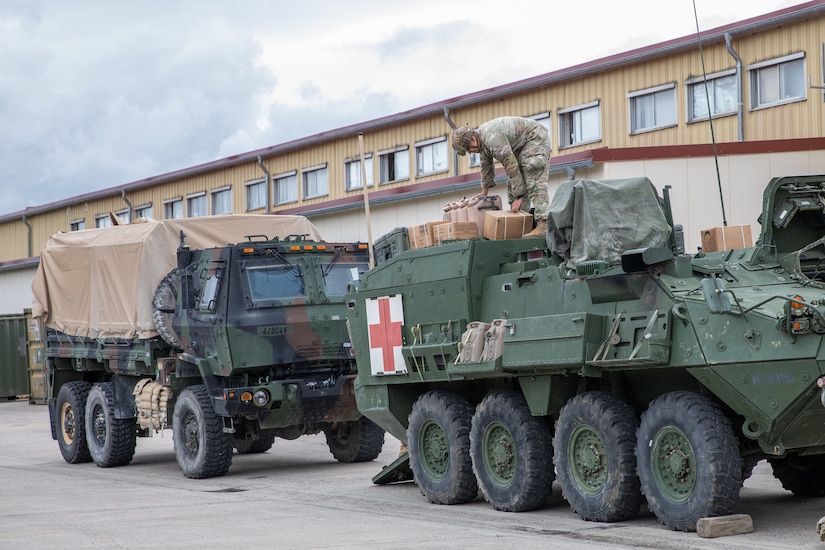
When
it comes to the logistics of transporting food in combat, service
members often carry all their sustenance with them. That weight adds up,
as does leftover packaging waste after the meals have been eaten. CFD
engineers aim to reduce those burdens by finding new materials to make
packaging as small and light as possible.
"From
a food chemistry standpoint, there's a lot of challenge to get all of
that nutrition in the smallest footprint, be shelf-stable and taste
good," Gaffney-Stomberg said.
It's
a challenge both divisions have accepted to optimize warfighter
performance and keep our troops healthy for any fight that comes their
way.











 Posts
Posts

