National
Science Foundation, NBC News and NBC Olympics launch video series highlighting
top Olympic athletes and the technology that impacts their games
 The Olympians from Team USA heading to
London in July represent not only an American commitment to athletic
achievement, but also the pervasive impact of innovation.
The Olympians from Team USA heading to
London in July represent not only an American commitment to athletic
achievement, but also the pervasive impact of innovation.
From the devices that protect the
athletes, to the mechanisms that track their races, to the systems that help
them train, technologies created and guided by engineers are critical
components of the Olympic experience.
For the London 2012 Olympic Games, the
National Science Foundation (NSF), NBC Learn (the educational arm of NBC News)
and NBC Olympics, a division of the NBC Sports Group, are launching a series of
ten videos highlighting the engineering that is part of the Olympics, as told by
top athletes and engineers. Watch all ten videos on the NSF website and on
NSF's Science360 website.
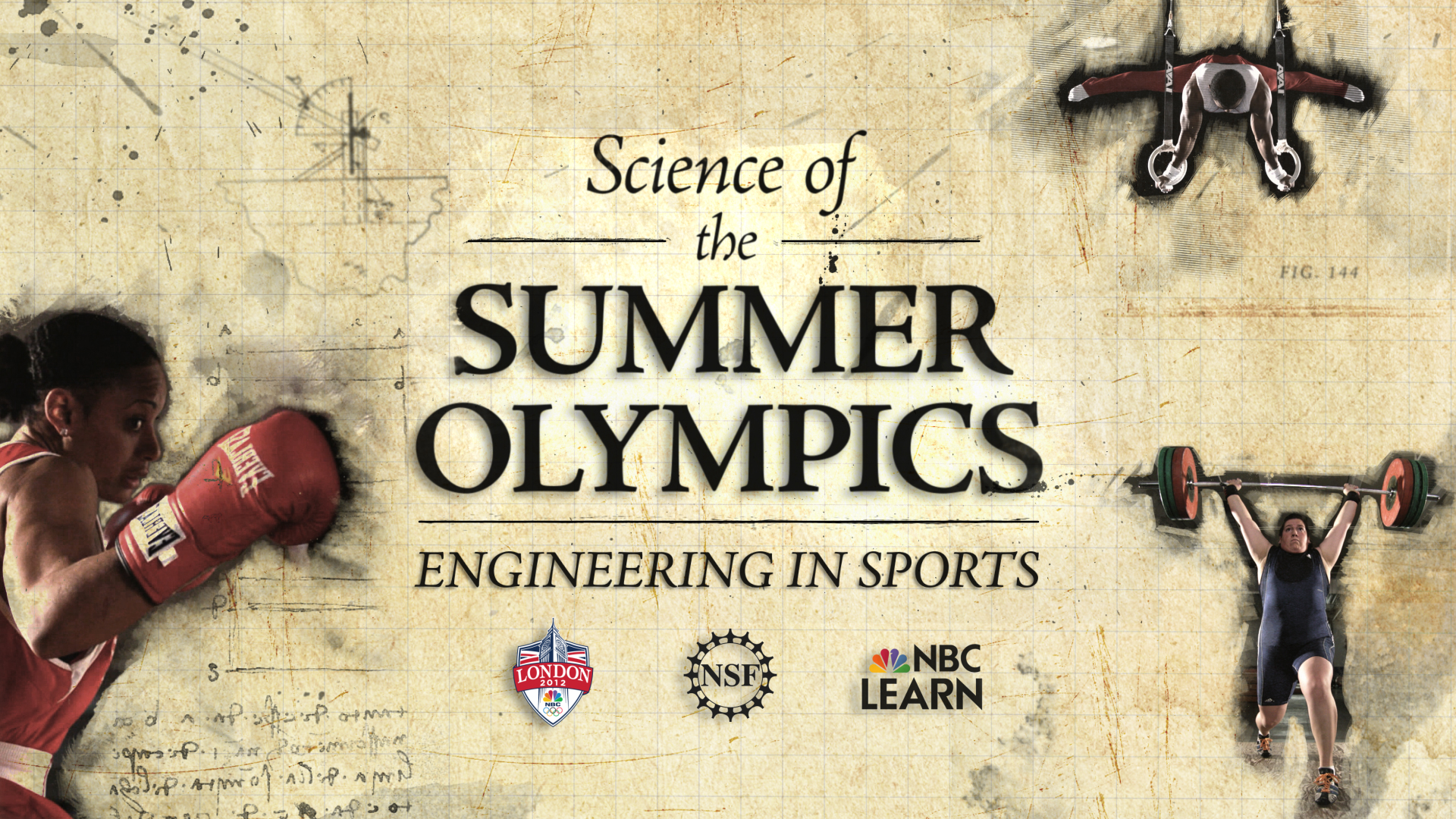
Titled Science of the Summer Olympics:
Engineering in Sports, the series is a continuation of the Emmy-winning NSF-NBC
"Science of ... " partnership.
"The work of engineers not only
affects Olympic sports, it also helps us perform ordinary activities in better
ways," said Thomas Peterson, NSF assistant director for Engineering.
"This series will illustrate how engineers can impact both sports and
society, and we hope it will inspire young people to pursue engineering."
Each segment features a top athlete
sharing his or her sports experiences, paired with perspectives from leading
engineers about the technologies that aid the athletes or the mechanics that
explain their craft.
 The series is narrated by NBC Sports
Group's Liam McHugh, and covers a range of events and topics. Viewers will
learn how Missy Franklin cuts through water faster thanks to
specially-engineered pools, how a stereoscopic camera system helps Olympic
champion decathlete Bryan Clay improve his long jump, how "blades"
technology helps Paralympian Oscar Pistorius compete--for the first
time--against able-bodied runners in the Olympic Games, and how a pressurized
treadmill system helped runner Jenny Simpson heal from injury.
The series is narrated by NBC Sports
Group's Liam McHugh, and covers a range of events and topics. Viewers will
learn how Missy Franklin cuts through water faster thanks to
specially-engineered pools, how a stereoscopic camera system helps Olympic
champion decathlete Bryan Clay improve his long jump, how "blades"
technology helps Paralympian Oscar Pistorius compete--for the first
time--against able-bodied runners in the Olympic Games, and how a pressurized
treadmill system helped runner Jenny Simpson heal from injury.
The series also delves into the unique
biomechanics of athletes--from the world's fastest man, Usain Bolt, to
superheavyweight weightlifter Sarah Robles--and how technology still has much
to learn from human achievement.
Each video segment will be available to
NBC affiliate stations, and for free on the Web accompanied by an
engineering-focused lesson plan for middle- and high-school teachers developed
by the National Science Teachers Association.
"The Olympic Games are a time when
the world gathers to watch the best athletes compete for gold, and with this
new video series, people can see and learn exactly what it takes to reach the
top," said Soraya Gage, executive producer of NBC Learn. "We're thrilled to continue this
successful partnership with NSF and NBC Sports, to provide students and
teachers with engaging content that makes learning about engineering both
relevant and fun."
The segments feature some of the world's
top athletes and record holders, including:
Missy Franklin, swimmer
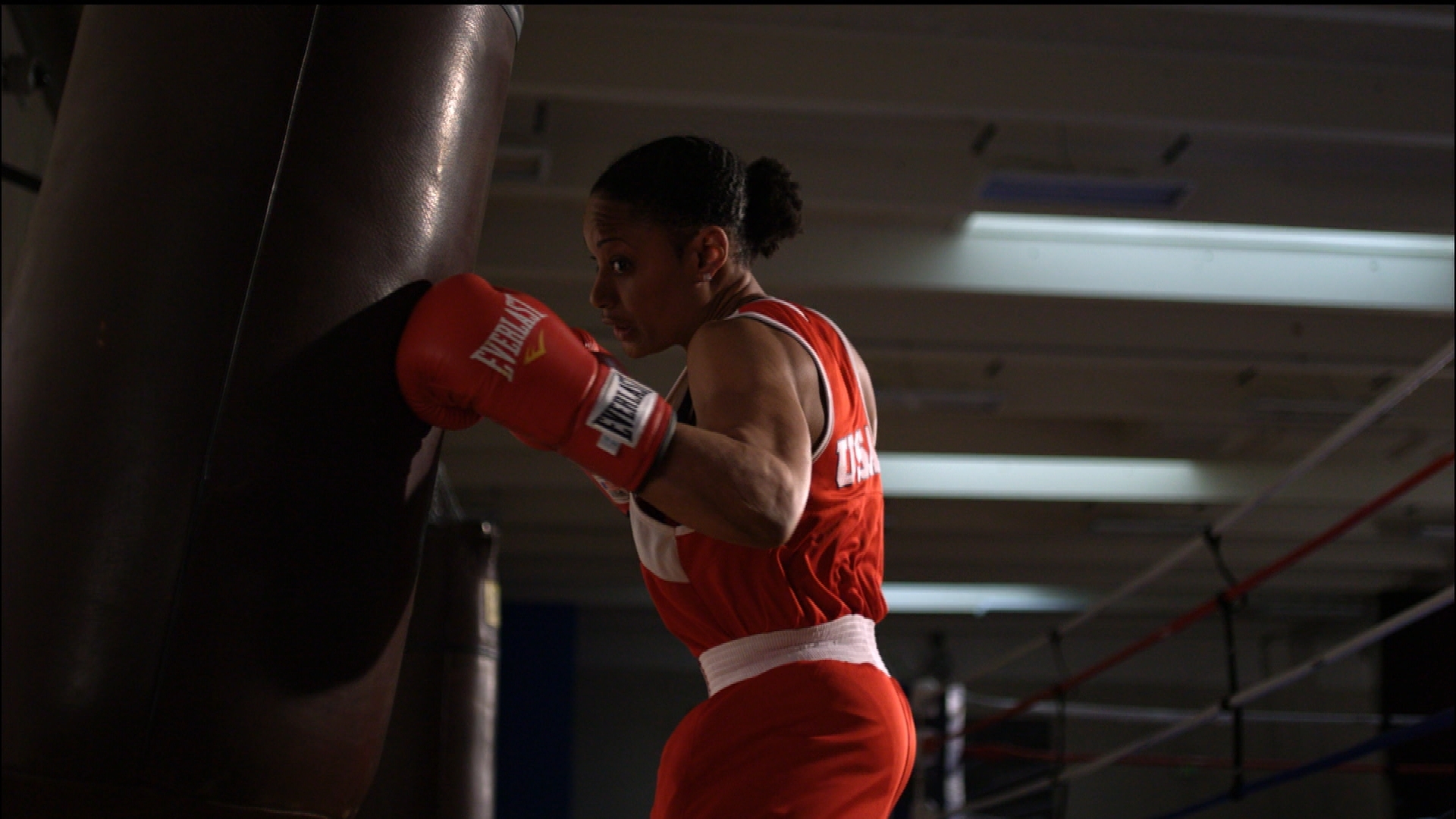
Queen Underwood, boxer
Sarah Robles, weightlifter
Jenny Simpson, runner
Oscar Pistorius, runner
Usain Bolt, runner
Bryan Clay, decathlete
 Each segment also features engineers
from some of the world's top universities and institutions:
Each segment also features engineers
from some of the world's top universities and institutions:
Timothy Wei, University of
Nebraska-Lincoln
Anette (Peko) Hosoi, MIT
Rory Cooper, University of Pittsburgh
and 1988 Paralympics bronze medalist
Nikhil Gupta, NYU-Poly
Linda Milor, Georgia Tech
Brian Zenowich, Barrett Technologies
Samuel Hamner, Stanford University
Cris Pavloff, Advanced Technology
Engineer for BMW
Melvin Ramey, University of
California-Davis and Biomechanist for USA Track & Field
Phil Cheetham, Senior Sport Technologist
for the US Olympic Committee
The videos are archived on
Science360.gov.
For more videos from the NSF-NBC
partnership, see: Science of the Winter Olympics, Science of NFL Football,
Science of NHL Hockey, Science Behind The News, Changing Planet and Chemistry
Now.
-NSF-



 Posts
Posts

