Showing posts with label evolution. Show all posts

Friday, April 5, 2024

AI-Powered Leadership: Strategies for Success

Artificial Intelligence (AI) is revolutionizing various aspects of our lives, including leadership roles across industries. As AI continues to advance, its impact on leadership becomes increasingly profound, shaping how leaders operate, make decisions, and interact with their teams. This essay explores the multifaceted impact of AI on leadership and how leaders can adapt to leverage its benefits effectively.

Firstly, AI has transformed the way leaders access and analyze data. With AI-powered analytics tools, leaders can process vast amounts of data in real-time, gaining valuable insights into market trends, consumer behavior, and organizational performance. This data-driven approach enables leaders to make more informed decisions, identify opportunities, and mitigate risks with greater precision.

Moreover, AI facilitates predictive analytics, allowing leaders to anticipate future trends and challenges. By leveraging machine learning algorithms, leaders can forecast demand, optimize resource allocation, and develop proactive strategies to stay ahead of the curve. This predictive capability empowers leaders to take preemptive action, rather than merely reacting to events as they unfold.

In addition to data analysis, AI enhances communication and collaboration within teams. Virtual assistants and chatbots streamline administrative tasks, freeing up time for leaders to focus on strategic initiatives and fostering a more efficient workflow. AI-powered collaboration platforms facilitate seamless communication across geographically dispersed teams, enabling remote collaboration and enhancing productivity.

Furthermore, AI augments decision-making processes by providing intelligent recommendations and insights. Through natural language processing and sentiment analysis, AI systems can analyze text data from various sources, such as customer feedback and social media, to gauge public sentiment and inform decision-making. Additionally, AI-powered algorithms can evaluate different scenarios, assess potential outcomes, and recommend optimal courses of action to leaders.

However, while AI offers numerous benefits for leadership, it also presents challenges that leaders must navigate. One such challenge is the ethical implications of AI-driven decision-making. As AI algorithms learn from historical data, there is a risk of perpetuating biases and discrimination if the data used is biased or incomplete. Leaders must ensure transparency and accountability in AI systems to mitigate these risks and uphold ethical standards.

Moreover, the integration of AI into leadership roles requires a shift in mindset and skillset. Leaders must develop a deeper understanding of AI technologies and their potential applications to effectively harness their benefits. This may entail investing in training programs and fostering a culture of continuous learning within organizations.

Additionally, leaders must address concerns around job displacement and workforce reskilling as AI automation becomes more prevalent. While AI can automate routine tasks and enhance efficiency, it also raises questions about the future of work and the impact on employment. Leaders must adopt a proactive approach to workforce development, focusing on upskilling and reskilling initiatives to prepare employees for the jobs of the future.

In conclusion, AI is reshaping the landscape of leadership, offering unprecedented opportunities for data-driven decision-making, enhanced communication, and intelligent automation. However, realizing the full potential of AI requires leaders to navigate ethical considerations, adapt to new technologies, and invest in workforce development. By embracing AI as a transformative force, leaders can drive innovation, foster collaboration, and lead their organizations to success in the digital age.

Monday, August 14, 2023

Fueling Connections: The Evolution of "Buy Me a Cup of Coffee"


In the age of digital connectivity, the phrase "Buy Me a Cup of Coffee" has transformed from a simple expression to a symbolic gesture that embodies both appreciation and support. This unassuming phrase has weaved itself into the fabric of online culture, reshaping the way individuals connect, share, and sustain creative endeavors. As we delve into the history, origin, development, use, and potential future of "Buy Me a Cup of Coffee," we uncover a narrative that reflects the power of community, generosity, and the changing landscape of online interactions.

The Origins and Early Days

The concept of inviting someone to "buy me a cup of coffee" is rooted in the idea of offering a small token of appreciation for someone's work or content. The phrase found its initial footing in online platforms and content-sharing communities, often as a subtle request for support. Websites like BuyMeACoffee.com and Ko-fi, established around the mid-2010s, formalized this concept into platforms where creators could receive monetary contributions from their audience.

Development and Online Culture

As these platforms gained traction, the meaning of "buy me a cup of coffee" expanded beyond its literal sense. It became a way for creators, artists, writers, and podcasters to monetize their content without the need for traditional advertising. The phrase represented a shift from passive consumption to active engagement, where audiences could directly support the creators they admired. This marked the beginning of a paradigm shift in online culture, fostering a sense of community and appreciation.

Use and Impact

Creators often embed "buy me a cup of coffee" buttons or links on their websites, blogs, social media profiles, and podcast episodes. This simple call-to-action invites supporters to contribute a small sum, equivalent to the cost of a cup of coffee, to the creator's work. These contributions might seem modest, but they accumulate to provide valuable financial support that enables creators to continue producing content.

The impact of "buy me a cup of coffee" extends beyond monetary gains. It strengthens the connection between creators and their audience, fostering a sense of loyalty and mutual respect. Contributors feel a sense of ownership in the content they support, knowing that their contributions directly contribute to the sustainability of their favorite creators' work.

Potential Future and Beyond

The future of "buy me a cup of coffee" is poised to be shaped by evolving technology, changing audience behaviors, and the increasing integration of digital transactions. The rise of cryptocurrencies, blockchain technology, and new payment platforms might offer alternative ways to support creators. As the digital landscape continues to evolve, "buy me a cup of coffee" could expand to encompass a broader range of creative endeavors, including virtual events, exclusive content, and collaborative projects.

Conclusion

"Buy Me a Cup of Coffee" has transcended its literal meaning to become a symbol of appreciation, support, and connection in the digital age. Its history, development, and impact reflect the changing dynamics between creators and their audiences. As we peer into the future, the phrase's potential to shape the way we engage with content, foster online communities, and sustain creative endeavors remains an intriguing prospect. Through these simple words, we find a testament to the power of generosity and the remarkable ways in which technology has transformed how we express our admiration and contribute to the things we love.

Thursday, August 23, 2012

Watching Evolution Unfold


Image 1: Jeffrey Barrick, a postdoctoral research associate in Michigan State University's (MSU) Department of Microbiology and Molecular Genetics, views bacteria cultures. Barrick worked in the lab of Richard Lenski, the Hannah Professor of Microbial Ecology at MSU, who studies the process of evolution using fast-reproducing bacteria that allow him to watch the process in action.

Image 2: Bacteria cultures grow in a Petri dish in the evolutionary biology lab of Richard Lenski, the Hannah Distinguished Professor of Microbial Ecology at Michigan State University. Lenski studies the process of evolution using fast-reproducing bacteria that allow him to watch the process in action.

Lenski began the study in 1988, when he started experimenting with 12 populations the bacteria E. coli. Lenski used E. coli from the same ancestral strain and living in identical environments so he could see how similarly or differently they would evolve. He planned on running the experiment for at least a year and culture about 2,000 bacterial generations, but 21 years and almost 40,000 generations later the experiment continues. The research has been supported by the National Science Foundation and the Defense Advanced Research Projects Agency.

(Date of Images: October 2009)

Credit: G. L. Kohuth, Michigan State University

Monday, August 6, 2012

Tale of Two Scientific Fields--Ecology and Phylogenetics--Offers New Views of Earth's Biodiversity


Scientists report new look at 'patterns in nature' in special issue of journal Ecology

Patterns in nature are in everything from ocean currents to a flower's petal.

Scientists are taking a new look at Earth patterns, studying the biodiversity of yard plants in the U.S. and that of desert mammals in Israel, studying where flowers and bees live on the Tibetan plateau and how willow trees in America's Midwest make use of water.

They're finding that ecology, the study of relationships between living organisms and their environment, and phylogenetics, research on evolutionary relationships among groups of organisms, are inextricably intertwined.

Results of this tale of two fields are highlighted in a special, August 2012 issue of the journal Ecology, published by the Ecological Society of America (ESA). Most of the results reported are funded by the National Science Foundation (NSF).

The issue will be released at the annual ESA meeting, held this year from August 5-10 in Portland, Ore.

Melding information from ecology and phylogenetics allows scientists to understand why plants and animals are distributed in certain patterns across landscapes, how these species adapt to changing environments across evolutionary time--and where their populations may be faltering.

"To understand the here and now, ecologists need more knowledge of the past," says Saran Twombly, program director in NSF's Division of Environmental Biology.  "Incorporating evolutionary history and phylogenies into studies of community ecology is revealing complex feedbacks between ecological and evolutionary processes."

Maureen Kearney, also a program director in NSF's Division of Environmental Biology adds, "Recent studies have demonstrated that species' evolutionary histories can have profound effects on the contemporary structure and composition of ecological communities."

In the face of rapid changes in Earth's biota, understanding the evolutionary processes that drive patterns of species diversity and coexistence in ecosystems has never been more pressing, write co-editors Jeannine Cavender-Bares of the University of Minnesota, David Ackerly of the University of California at Berkeley and Kenneth Kozak of the University of Minnesota.

"As human domination of our planet accelerates," says Cavender-Bares, "our best hope for restoring and sustaining the ‘environmental services' of the biological world is to understand how organisms assemble, persist and coexist in ecosystems across the globe."

Papers in the volume address subjects such as the vanishingly rare oak savanna ecosystem of U.S. northern tier states, revealing an ancient footprint of history on the savanna as well as how it has fared in a 40-year fire experiment.

Other results cover the influence of ecological and evolutionary factors on hummingbird populations; habitat specialization in willow tree communities; growth strategies in tropical tree lineages and their implications for biodiversity in the Amazon region; and the characteristics of common urban plants.

"The studies in this issue show that knowledge of how organisms evolve reveals new insights into the ecology and persistence of species," says Cavender-Bares.

Plants in urban yards, for example, are more closely related to each other--and live shorter lives--than do plants in rural areas, found Cavender-Bares and colleagues.

Their study compared plant diversity in private urban yards in the U.S. Midwest with that in the rural NSF Cedar Creek Long-Term Ecological Research site in Minnesota.

Cities are growing faster and faster, with unexpected effects, says Sonja Knapp of the Hemholtz Center for Environmental Research in Germany, lead author of the paper reporting the results.

"Understanding how urban gardening affects biodiversity is increasingly important," says Cavender-Bares.  "Urbanites should consider maintaining yards with a higher number of species."

In the special issue, researchers also look at topics such as what determines the number of coexisting species in local and regional communities of salamanders. Kenneth Kozak of the University of Minnesota and John Wiens of Stony Brook University report that variation in the amount of time salamanders occupy different climate zones is the primary factor.

Evolution of an herbaceous flower called goldfields, and how that led to the plant's affinity for certain habitats, is the subject of a paper by David Ackerly, Nancy Emery of Purdue University and colleagues. Emery is the paper's lead author.

In all, 17 papers combine ecology and phylogenetics to offer new answers to long-standing questions about the patterns and processes of biodiversity on Planet Earth.

Integrating Ecology and Phylogenetics
A special issue of the journal Ecology

Integrating ecology and phylogenetics: the footprint of history in modern-day communities
Jeannine Cavender-Bares, David D. Ackerly, Kenneth H. Kozak, Co-Editors

Synthesizing phylogenetic knowledge for ecological research
Jeremy M. Beaulieu, Richard H. Ree, Jeannine Cavender-Bares, Nicholas Deacon, George D. Weiblen, and Michael J. Donoghue

Assessing the effects of spatial contingency and environmental filtering on metacommunity phylogenetics
Pedro R. Peres-Neto, Mathew A. Leibold and Stephane Dray

Phylogenetic species-area curves
Matthew R. Helmus and Anthony R. Ives

Phylogenetic tree shape as a predictor of niche segregation
Jonathan Davies, Natalie Cooper, Jose Alexandre Felizola Diniz Filho, Gavin H. Thomas, Shai Meiri

Shocks to the system: Community assembly of the oak savanna in a 40-year fire frequency experiment
Jeannine Cavender-Bares and Peter B. Reich

Demographic drivers of successional changes in phylogenetic structure across life history stages in plant communities
Natalia Norden, Susan Letcher, Vanessa Boukili, Nathan Swenson, and Robin Chazdon

Phylogenetic and functional characteristics of household yard floras and their changes along an urbanization gradient
Sonja Knapp, Lucy Dinsmore, Cinzia Fissore, Sarah Hobbie, Ina Jakobsdottir, Jens Kattge, Jennifer King, Stefan Klotz, Daniel C. Laughlin, Joseph P. McFadden, and Jeannine Cavender-Bares

Untangling the influence of ecological and evolutionary factors on trait variation across hummingbird assemblages
Catherine H. Graham, Juan L. Parra, Boris A. Tinoco, F. Gary Stiles, Jim A. McGuire

Phylogenetic and functional alpha and beta diversity in temperate and tropical tree communities
Nathan G. Swenson, David L. Erickson, Xiangcheng Mi, Norman A. Bourg, Jimena Montana-Forero, Xuejun Ge, Robert Howe, Jeffrey K. Lake, Xiaojuan Liu, Keping Ma, Nancai Pei, Jill Thompson, Maria Uriarte, Amy Wolf, S. Joseph Wright, Wanhu Ye, Jinlong Zhang, Jess K. Zimmerman and W. John Kress

Phylogenetic signal and phenotypic plasticity in traits under variable competitive regimes
Jean H. Burns and Sharon Y. Strauss

Habitat specialization and the role of trait lability in structuring hyper-diverse willow communities
Jessica Savage and Jeannine Cavender-Bares

Niche evolution and habitat specialization in Lasthenia
Nancy C. Emery, Elisabeth J. Forrestel, Ginger Jui, Michael Park, Bruce G. Baldwin and David D. Ackerly

Phylogeny, ecology and the origins of climate-richness relationships
Kenneth H. Kozak and John J. Wiens

Floral diversity and community structure in Pedicularis (Orobanchaceae)
Deren A. R. Eaton, Charles B. Fenster, Joe Hereford, Shuang-Quan Huang, Richard H. Ree

Herbivory, growth strategies and habitat specialization in four tropical tree lineages: Implications for Amazonian Beta-Diversity
Greg P.A Lamarre, Christopher Baraloto, Claire Fortunel, Nallarett Davila, Italo Mesones, Julio Grandez Rios, Marcos Rios, Elvis Valderrama, Paul Fine

Predicting the impact of tropical rain forest conversion on insect herbivore abundance from plant traits and phylogeny
Timothy J. S. Whitfeld, Vojtech Novotny, Scott E. Miller, Jan Hrcek, Petr Klimes, and George D. Weiblen

Phylogenetic diversity promotes ecosystem stability
Marc W. Cadotte, Russell Dinnage, David Tilman

 -NSF-

Saturday, June 30, 2012

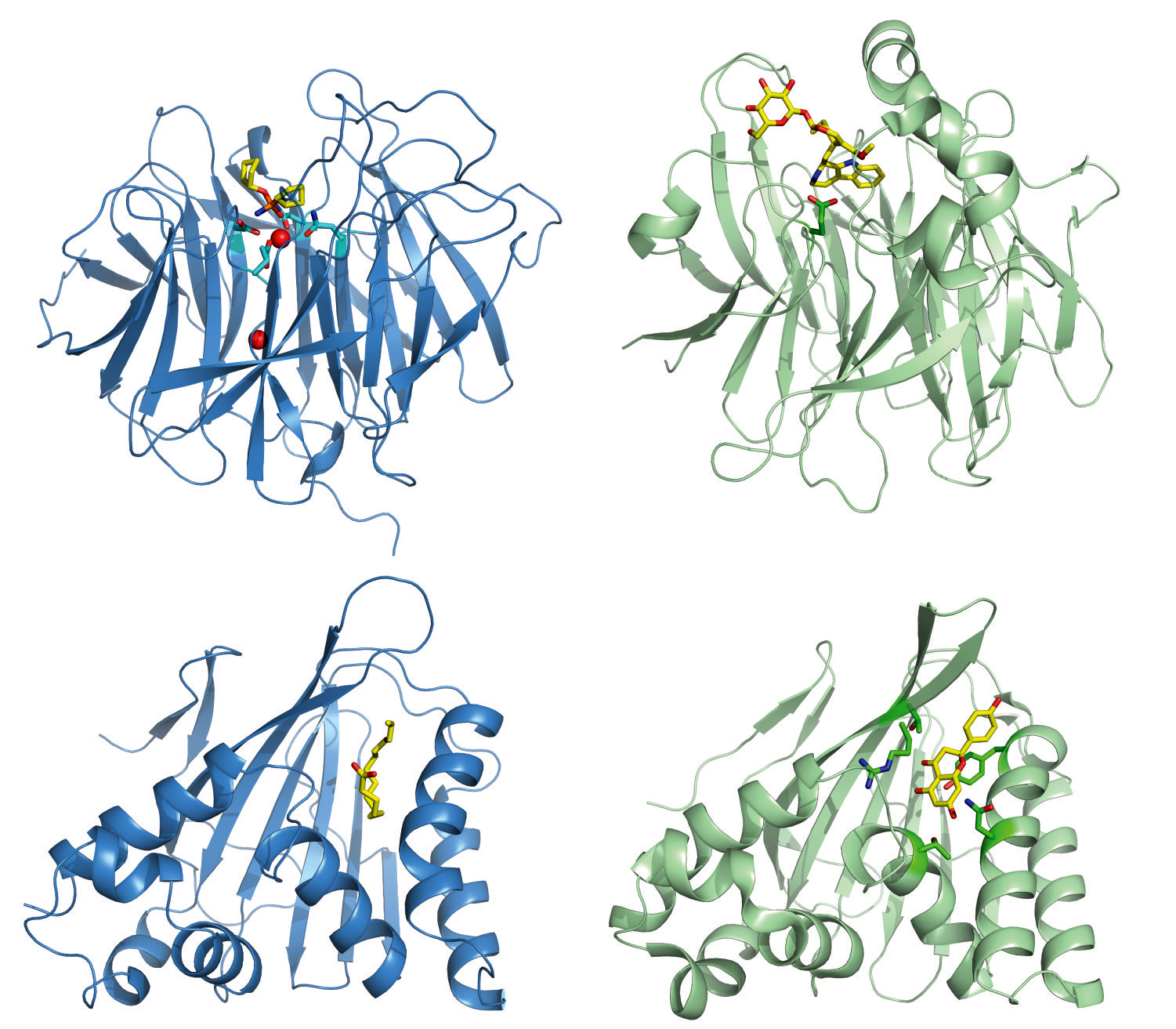
Provocative Prescription for Chemical Evolution in Plants


Researchers speculate "specialized metabolism" was key to terrestrial takeover of plants

"Plants produce a repository of structurally diverse chemicals ..." That's how a new paper begins that proposes some provocative ideas about how plants developed the wide assortment of chemicals they use to sustain life and how they developed other chemicals that may or may not contribute to their immediate survival, but instead often ensure reproductive success in changing, earth environments.

In a June 29 journal Science review paper, Joseph P. Noel, a lead investigator at the Salk Institute for Biological Studies and the Howard Hughes Medical Institute, and colleagues speculate that plant chemodiversity results from rapid and sometimes unanticipated evolutionary steps.

Noel, along with Jing-Ke Weng and Ryan Philippe also with the Salk Institute, theorize that a very early form of chemical reactions that occurred in the prebiotic soup paved the way for production of chemicals important to the survival of the earliest cellular organisms--chemicals including those essential for building nucleic acids--biological molecules such as DNA, RNA and proteins necessary for encoding, transmitting and expressing genetic information.

The researchers speculate these chemical processes, now catalytically robust, evolved into separate pathways both in early plants and in their aquatic ancestors.

One pathway--having chemical processes termed primary metabolism--allowed the production of life-sustaining chemicals.

The other pathway produced chemicals that no longer carry life sustaining functions. Instead, these chemicals have more subtle effects on plants' fitness, or reproductive success in their local environments.

In the paper, the researchers hypothesize these secondary chemical processes arose from the more conserved, life-sustaining processes and term them "specialized metabolism."

"Understanding how plants evolved their ability to synthesize secondary metabolites--such a vast and diverse array of chemicals--is a challenging problem," said Parag Chitnis, director of NSF's Division of Molecular & Cellular Biosciences, which funded Noel's research. "In this article, Dr. Noel and his colleagues present an attractive and plausible explanation."

Noel, Weng and Philippe speculate that specialized metabolism is more malleable than life-sustaining metabolic processes, and that specialized metabolic systems can evolve rapidly to produce new "tailor-made molecules" as means to adapt to ever-changing environments.

"Primary metabolism likely arose from promiscuous primeval metabolic reactions and evolved toward greater catalytic precision and efficiency," the researchers write in their article. "Specialized metabolism likely emerged from primary metabolism."

According to the researchers, specialized metabolism likely permitted more and varied chemical reactions and natural products because the enzymes responsible for their synthesis were more flexible in ways scientists are only now beginning to understand at the molecular level.

The upshot was the emergence of secondary chemical reactions that produce color in flowers; rubber for vehicle tires; flavor, smells, nutrition and browning in fruits and wine; natural plant antibiotics; fragrances to attract pollinators and repel herbivores, and even the characteristic aroma and flavor of the cabbage and tomato families.

"Plant secondary metabolism generates a huge diversity of chemicals that are not only very important to the plant, but also for humans," said Greg Warr, a program manager in NSF's Division of Molecular & Cellular Biosciences. "For example, we often depend on plant products for nutrition, fuel, biorenewable chemicals, clothing, shelter and pharmaceuticals."

What's more, Noel and colleagues speculate the depth of specialized metabolism likely mirrored the takeover of Earth by plants that form the essential core of the global food network. As primary metabolism produced life-sustaining chemical reactions, specialized metabolism gave rise to secondary chemical reactions that allowed plants to adapt to geographically dispersed environments, many of which are challenging to other forms of life.

For example, some metabolites, plant hormones regulate various aspects of plant growth and development in response to environmental cues, while others act as ultraviolet sunscreens and prevent dehydration.

"The ability of these complex biological systems in plants to evolve quickly to solve problems of plant survival and reproduction, will ultimately teach us the lessons learned over a 500 million year old experiment plants have been conducting since the dawn of terrestrial life," said Noel.

"Without this ongoing experiment, humankind and all the animal life we know of on the terrestrial earth would cease to exist."

The researchers hope the Science review paper will help provide a provocative and more informed set of hypotheses regarding the amazing tapestry of plant chemistry while also posing still unanswered but fundamental problems to life. "It will certainly guide future research in this important area," said Chitnis.

 -NSF-

Wednesday, May 30, 2012

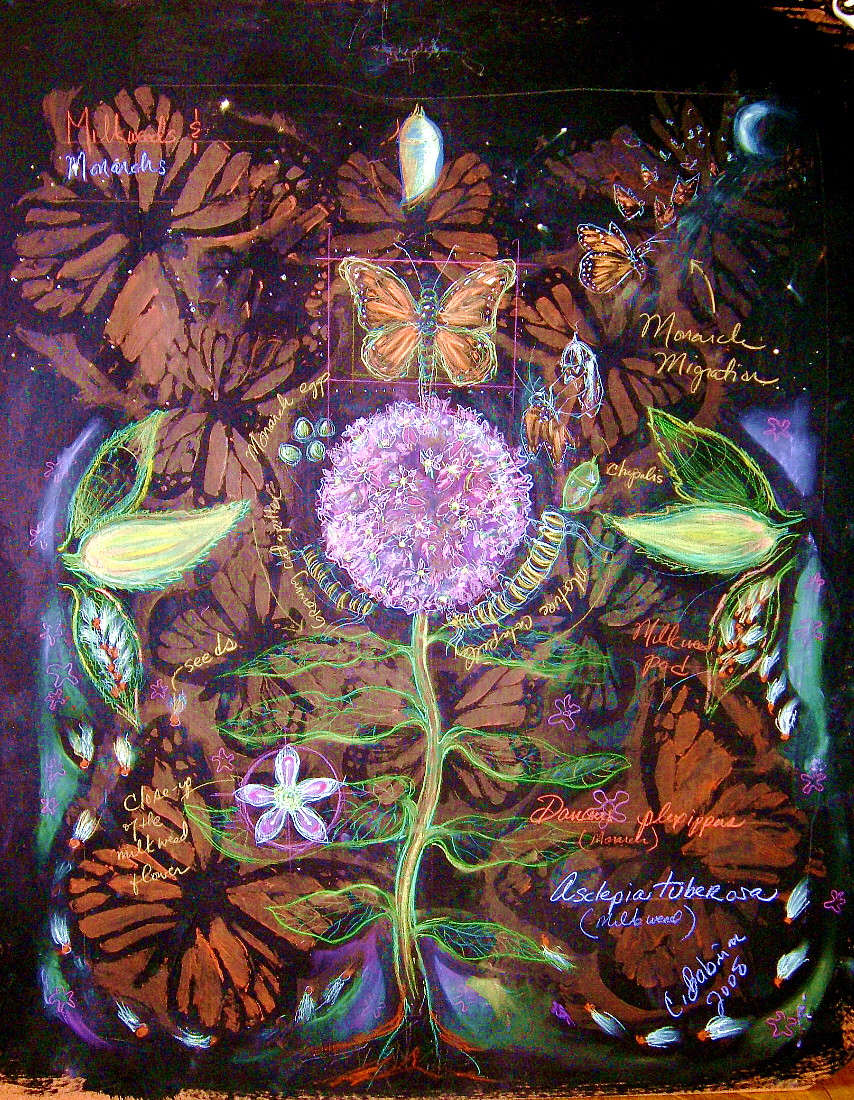
Butterfly/Milkweed Co-evolutionary Relationship


This illustration shows the co-evolutionary relationship between the monarch butterfly and the milkweed plant. It also shows the migration of the butterflies and the seeds replanted by the milkweed pods.

(Date of Image: October 2008)

Credit: C. Babaian

Monday, May 21, 2012

Mapping the Genomes of Crocodiles and Alligators--It's Not for the Faint of Heart!


Adventurous field work expands knowledge of evolution and could help save endangered species

David Ray never turns his back on his research, and with good reason! "If it can't bite you, it's not interesting," he jokes.

Ray and his team study alligators, crocodiles, bats and flies, among other creatures. There's no handbook for learning how to capture an alligator or a crocodile. "Oh, it's great. I mean, there's just a thrill," says Ray, an evolutionary biologist at Mississippi State University (MSU).

With support from the National Science Foundation (NSF), this multidisciplinary team from several universities is mapping crocodile and alligator genomes. Reptiles resembling these animals have existed for around 80 million years and they are among the first reptiles to have their DNA sequenced. The research could expand our knowledge well beyond crocodilians to other reptiles, birds, and even dinosaurs.

"Birds and crocodiles, though you wouldn't think it from looking at them, are each other's closest existing relative," notes Ray.

"The group currently assembled by David Ray and others includes scientists with expertise ranging from crocodilian systematics and population genetics to pure molecular biology to the fields of bioinformatics and comparative genomics," explains Lou Densmore, chair of the Biological Sciences Department at Texas Tech University. "Although just 10 years ago, the thought of such a study was beyond the wildest dreams of any of us, we are now sitting on the threshold of the most ambitious crocodilian genetics and genomics research ever attempted."

Catching a 'croc' or 'gator' is usually done at night from a boat or a canoe. These animals have a layer of tissue in their eyes called tapetum lucidum, which reflects back red. So, when a researcher's headlamp spots that red color, the team heads in that direction.

"You approach the animal as quietly as you can, and preferably from the front so that you can just basically get the breakaway snare to go over the snout," says Ray. "Of course, the animal doesn't like that, so it thrashes and then you've got potentially a 10-foot animal that wants to eat you on a rope!"

"When they've exhausted all their energy, you can handle them relatively easily. Then, we will go to a sinus on the back of the neck and draw however much blood we need, and then it's time for release. The key is to keep control of the head. That skull is like a brick and if it whips around and knocks you, it can hurt you pretty badly. Always keep a hand on it," he warns.

The Crocodilian Genomes Project has benefited from the input of a bona fide movie star. Errol, the Australian saltwater crocodile whose genome is being sequenced by the group, has been featured in a number of films--most notably the 2007 thriller Black Water. "I never thought I'd get the opportunity to work with crocodiles or celebrities," jokes project co-investigator Daniel Peterson, associate director of Genomics at MSU's Institute for Genomics, Biocomputing & Biotechnology. "Now I can say that I have had the rare privilege of working with a celebrity crocodile."

Learning more about the genetic makeup of crocodilians could help efforts to save some endangered species, such as the very odd-looking Indian gharial (Gavialis gangeticus), which is now down to just a few hundred animals. Scientists could possibly identify the most diverse animals in the gene pool and then breed them. "The more we can understand how their DNA is put together, the more likely we are to understand how to keep them from going extinct," says Ray.

That is one of the most exciting aspects of the research for Lou Densmore. "By the time the next genetic sequence analysis of this genome is complete, we will not only know exactly how the gharial fits into the evolutionary history of the Crocodylia, but we will also have the data needed to pursue a 'comparative -omics' approach that will help explain the remarkable cranial morphology that has caused such controversy in interpreting its phylogenetic placement in the order," explains Densmore.

Two other team members, biologist Fiona McCarthy, who teaches in the College of Veterinary Medicine at MSU, and Carl Schmidt, an associate professor in the College of Agriculture and Natural Resources at the University of Delaware, take the assembled sequences, identify genes, and provide standardized gene nomenclature and functional annotation.

"My main research focus is providing functional annotation so that researchers are able to more easily get from data to knowledge, and it is wonderful to work on a sequencing project where functional information is factored in from the start," says McCarthy. "Add on top of that, all the really interesting biology, such as temperature regulation of sex determination, tooth development in crocs and birds, linking reptiles and birds together in an evolutionary sense, and you get a lot of very interesting insights into fundamental biology."

"Incorporating some of these insights into my teaching ensures that I have examples that students won't soon forget," she adds.

At the University of Florida, team member and associate professor of biology Ed Braun is also a co-investigator, along with microbiology professor Eric Triplett, on a separate NSF grant to create a curriculum that is based on the research.

"Crocodilians really have the potential to capture the imagination of students since they look like living dinosaurs. Involving students in the annotation and analysis will open their eyes when they see the similarities to and differences from the real living dinosaurs--birds. Understanding crocodilians is critical for understanding birds. Despite their obvious differences, reconstructing their common ancestor will require information from both groups of organisms," says Braun.

Up to now, most of the vertebrate genomes sequenced and analyzed have been from mammals. "Thus, most of what we know about genome evolution is very mammalian-centric," notes Ed Green, assistant professor of biomolecular engineering at University of California, Santa Cruz. "We're now coming to learn that the reptilian world has evolved more slowly, from the rate of divergence at the level of chromosome rearrangements to how fast individual bases change. On the one hand, this makes things easier for genome assembly, but it also requires that we revisit a lot of assumptions and models that were made when we only had data from mammals."

When they're not fishing for 'crocs' and 'gators,' Ray's team might be tracking down bats for their research on transposable elements or so-called 'jumping genes.' These genes can copy themselves and literally jump around in a DNA sequence. Better understanding of them could lead to improved genetic therapies.

"Bats are the second largest group of mammals in terms of number of species. Transposable elements, which are very common in some groups of bats, alter composition, but perhaps more importantly, regulation of genes when they insert themselves," explains Richard Stevens, associate professor of biology at Louisiana State University. "These genetic changes could be important in the diversification process and may provide key insights especially in terms of understanding mechanisms that generate diversity of species-rich groups, such as bats."

"These transposable elements contributed many of the regulatory elements that tell a gene when to turn on and turn off. So, the fact that these things can move from place to place lets us understand better how genes are regulated," adds Ray.

The team is also investigating 'jumping genes' in flies and the group's research may contribute to a new tool for medical examiners and crime scene investigators. Those experts have long used blowfly eggs and larvae to help determine time of death, but a lot of fly species and their young look alike.

"It's critical that you actually know which species you're dealing with or you're going to get the time of death wrong. Our idea is that we use these transposable elements as genetic markers. Then we can narrow down which species we're dealing with and, therefore, get an accurate time of death," says Ray.

Miles O'Brien, Science Nation Correspondent
Marsha Walton, Science Nation Producer.